Anger spreads after Minneapolis killing by federal agent as protests widen and scrutiny grows
A fatal shooting in Minneapolis involving federal immigration enforcement set off nationwide backlash, with video evidence challenging official claims and raising fresh questions about accountability, oversight, and the scale of federal operations in U.S. cities.
A death that escalated into a national flashpoint
The most dominant U.S. story heading into Sunday, January 25, 2026, is the political and public fallout from the killing of Alex Pretti, a 37-year-old nurse shot in Minneapolis during an encounter involving federal officers. The episode has rapidly become a national flashpoint: protests expanded beyond Minnesota, calls for curbs on Immigration and Customs Enforcement intensified, and a wave of leaders—local and federal—faced pressure to explain what happened, why it happened, and what changes will follow.
The controversy accelerated because videos circulated online that appear to contradict early claims made by Trump administration officials. In the footage described by multiple outlets, Pretti is seen holding a phone rather than a gun at the moment he was tackled and shot. That discrepancy has fueled anger among demonstrators and amplified demands for independent investigation, public release of body-camera footage (if any), and clearer rules for federal deployments that overlap with local policing and protest response.
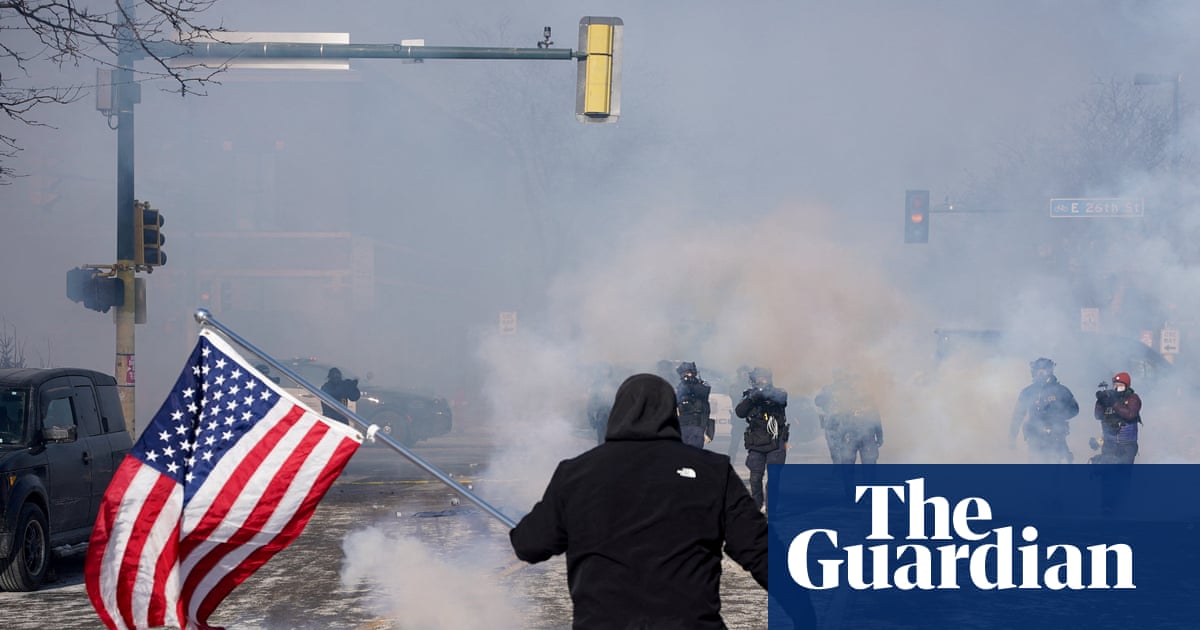
Minneapolis has already experienced heightened tension following another fatal shooting by federal agents earlier in January, and the new killing became a catalyst for larger mobilization. Demonstrations erupted in multiple cities, with protesters framing the incident as emblematic of a broader escalation in immigration enforcement tactics, especially in urban areas where local leaders have criticized federal operations as destabilizing.
Political repercussions extended to Washington as Democrats discussed using budget leverage to force limits on the Department of Homeland Security and ICE. The standoff injected fresh uncertainty into the funding debate and widened the stakes beyond the specific incident: to questions of federal authority, standards for use of force, and how quickly national leaders will address a crisis when public trust is deteriorating in real time.
As the story develops, the central questions remain basic but consequential: what the officers believed they faced, what the video proves, what policies governed the encounter, and whether oversight mechanisms can respond quickly enough to calm the public while still establishing an accurate record. With cold-weather protests continuing and political leaders taking sharper positions, the Minneapolis shooting is set to remain the defining “latest” national storyline this week.