Protests spread after Minneapolis killing; video disputes federal account
Outrage grew nationwide after a Minneapolis man was fatally shot by federal agents, with video and witness accounts challenging claims that he posed an armed threat.
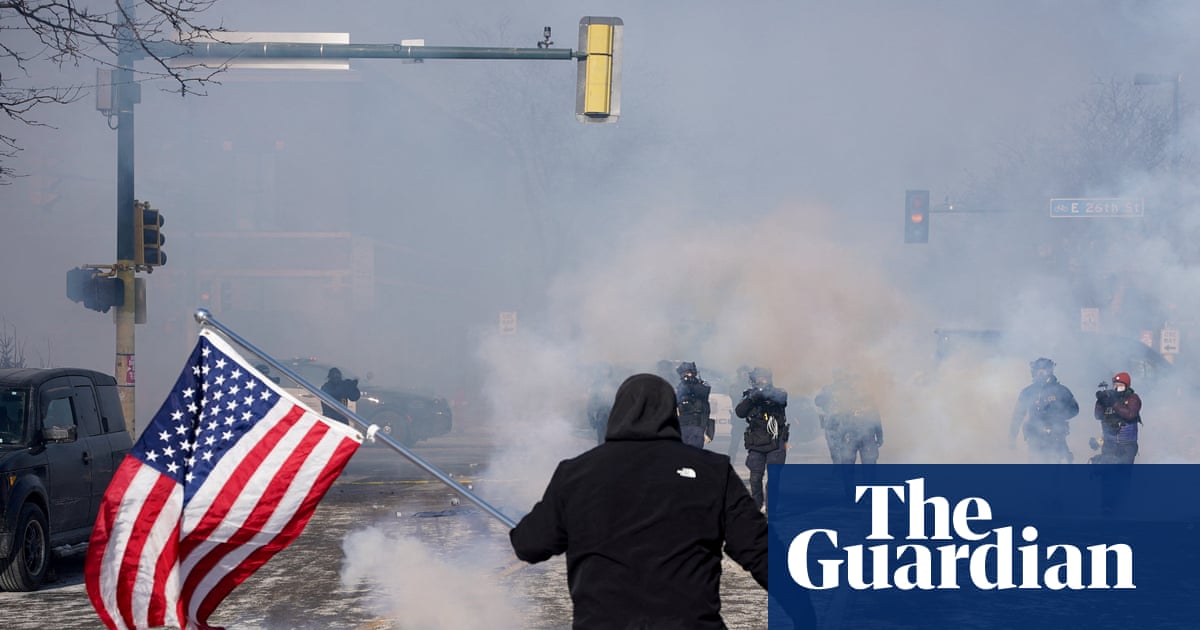
A fatal encounter in Minneapolis triggered a fast-moving wave of demonstrations across the United States this weekend, after video clips and sworn witness accounts appeared to undercut federal officials’ description of the incident. The shooting, which involved immigration-linked federal officers, immediately became a flashpoint in a broader fight over enforcement tactics, transparency, and the use of force in domestic operations. As cold-weather protests spread, the story dominated U.S. headlines and pushed lawmakers into an increasingly confrontational posture over funding and oversight.
The man killed, Alex Pretti, was described by the outlet as a 37-year-old registered nurse in Minneapolis. The report said he was shot after being sprayed with a chemical agent and wrestled to the ground when he appeared to come to the aid of another person who had been shoved down by an officer. The key dispute centers on whether Pretti threatened officers with a gun. The article said video evidence showed him holding a phone rather than a firearm at the moment he was tackled and shot, contradicting assertions from senior administration figures that he was a “gunman” who posed an immediate deadly risk.
As the footage circulated, crowds gathered in multiple cities, including Minneapolis, New York, San Francisco, Boston and Providence. Protesters, some braving sub-zero temperatures, chanted against Immigration and Customs Enforcement (ICE) and demanded accountability. Local and state officials in Minnesota publicly condemned the killing, while national politicians seized on it as evidence that oversight of federal enforcement has not kept pace with expanded operations. The report also described rising anger because this was not the first deadly shooting involving federal agents in recent weeks.
In Washington, the political stakes rose quickly. According to the report, Senate Democrats signaled they could block a spending package if it includes funding for the Department of Homeland Security unless changes are made to rein in ICE. The threat underscores how the incident is moving beyond street protests into a legislative showdown, with budgets and agency authorities becoming leverage points for reform. Republicans, meanwhile, have largely defended agents’ actions, framing the controversy as a test of support for law enforcement and border operations.
Beyond the immediate facts of the confrontation, the story shows how rapidly a single video can reshape the national narrative. Even before investigators publicly released a full timeline, the competing accounts—official statements on one side and bystander footage on the other—created a credibility battle that quickly spread across social media and cable news. For officials, the dilemma is that early claims made in the heat of an incident can harden into political commitments, while later evidence may force backtracking or amplify public distrust.
The episode also revived long-running debates over federal deployments in local communities: who controls evidence, who can compel testimony, and how quickly independent review can begin. Advocates argue that without prompt disclosure of body-camera video, radio traffic, and internal reports, public confidence collapses. Government officials counter that releasing sensitive operational details can endanger agents or compromise investigations. In practice, the Minneapolis shooting has already become a national symbol, and the outcome of any review—criminal, civil, or administrative—will likely shape future rules for domestic enforcement operations.