Protests surge after Minneapolis fatal shooting by federal agents, adding pressure on DHS funding fight
A second deadly shooting by federal immigration agents in a matter of weeks has sparked fresh protests and intensified a political showdown in Washington over Department of Homeland Security funding.
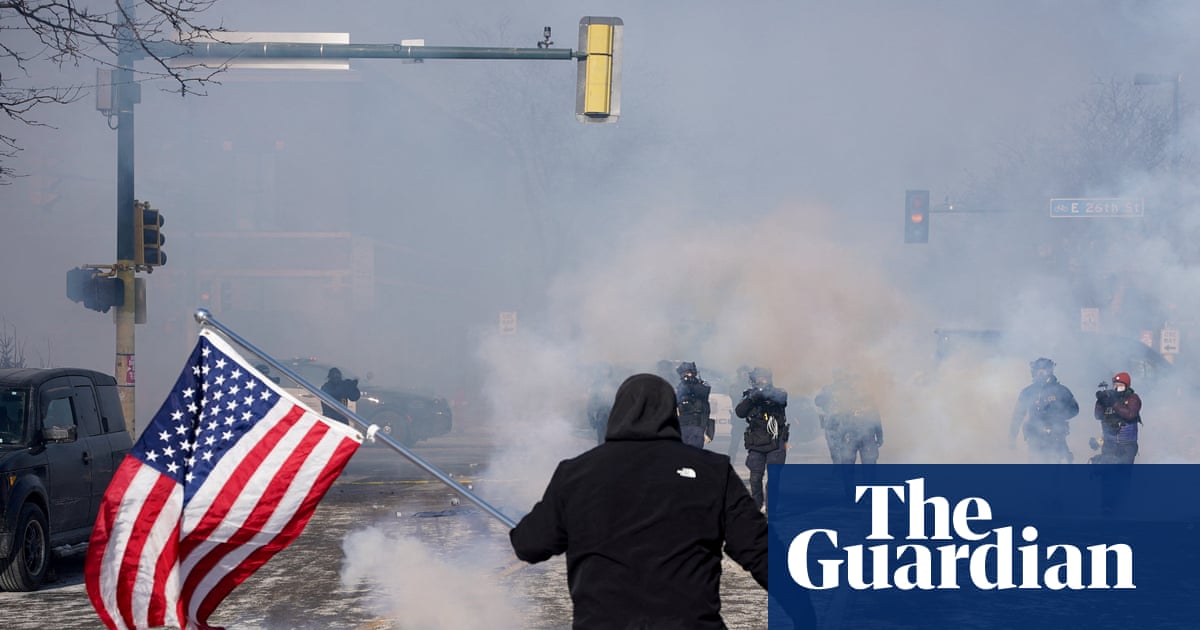
The United States saw a new wave of protests over the weekend after a fatal shooting in Minneapolis involving federal agents, the latest flashpoint in a fast-moving national argument about immigration enforcement tactics and accountability. The killing has driven demonstrations in multiple cities and elevated calls for investigations, while lawmakers argue over how (or whether) to use federal funding as leverage.
The incident has drawn particular attention because it is being discussed as the second fatal encounter involving federal agents within a short span, fueling public anger and scrutiny of the agencies involved. Witness accounts and public discussion have focused on what the victim was holding in the moments before the shooting, and whether official statements matched video evidence circulating online.
In Washington, the political fallout is immediate. Senate Democrats have pointed to the Minneapolis shooting as part of the rationale for hardball tactics on a funding package, signaling they could attempt to block legislation if money for Homeland Security remains in the bill without changes or conditions. The debate is unfolding as agencies under DHS—including those tied to immigration enforcement—face sustained criticism from activists and some local officials.
The weekend’s developments came amid broader disruptions across the country, including severe winter weather that complicated travel and daily life in many regions. For organizers, the combined sense of crisis has served as an accelerant: rallies have framed the Minneapolis killing not as an isolated episode, but as a symbol of what they argue is an increasingly aggressive posture by federal enforcement.
Supporters of the administration, meanwhile, have defended federal officers and rejected accusations that enforcement has become reckless. As demonstrations continue, the key questions now include how quickly investigators can establish a reliable public timeline of events, what disciplinary or legal steps follow (if any), and whether Congress will reshape DHS funding in response to political pressure.
Even if legislation moves forward without major changes, the Minneapolis shooting appears likely to remain a national rallying point in the immigration debate. The public reaction—and the competing narratives around evidence, eyewitnesses, and official claims—suggest the story will evolve quickly in the days ahead, especially as more details emerge about the agents’ actions and command decisions.