Winter Storm Fern barrels across the U.S., knocking out power and snarling travel
A sprawling winter storm is spreading snow, sleet and damaging ice from the South into the Northeast, triggering emergency declarations, widespread outages and major flight disruptions as officials warn the worst conditions could linger into early week.
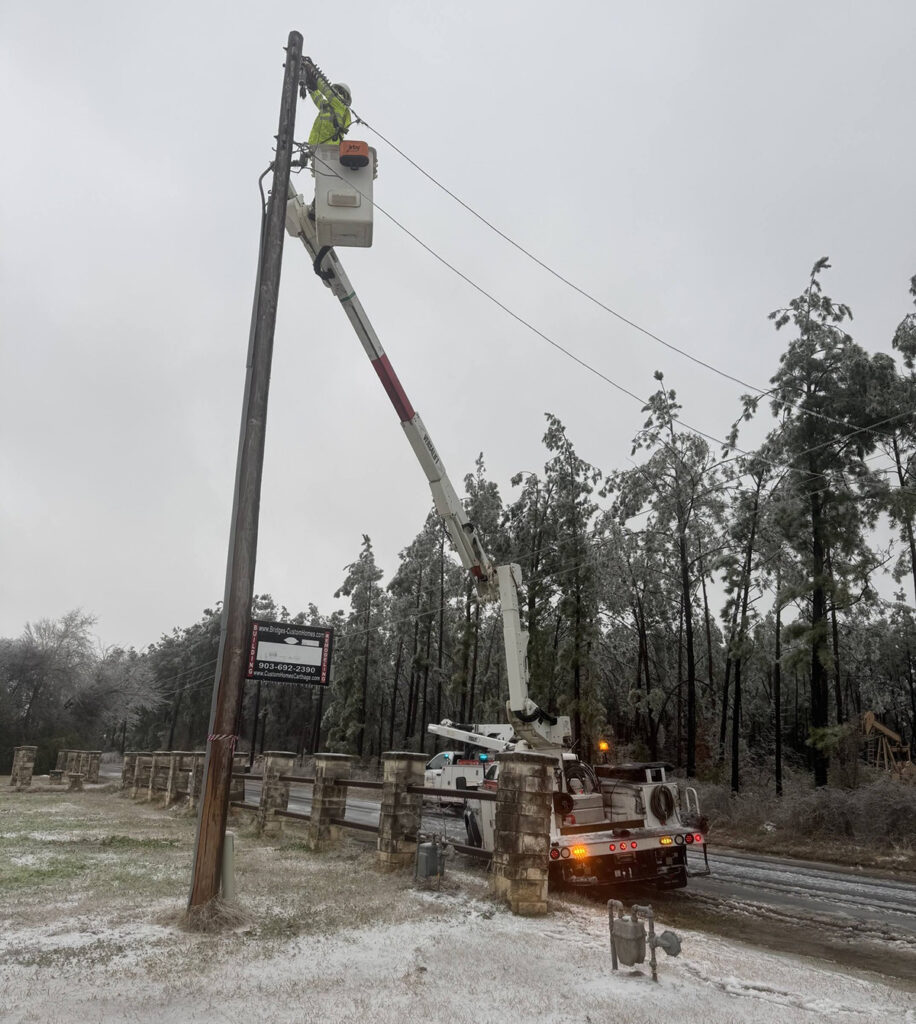
A massive winter storm continued sweeping across a large part of the United States on Sunday, January 25, 2026, bringing a volatile mix of heavy snow, sleet and freezing rain that is forcing widespread closures and complicating travel from the South to New England. Forecasters warned that conditions will remain dangerous through Monday, with intense cold following behind the storm that could keep roads icy and make repairs harder for utility crews. ([apnews.com](https://apnews.com/article/7ea143995026e68db42ed1b4aec396cb))
The National Weather Service warned that snow and ice impacts could linger for days, even after the main precipitation shield moves on. Heavy snow was forecast from the Ohio Valley into the Northeast, while the greatest ice threat stretched from the Lower Mississippi Valley toward the Mid-Atlantic and parts of the Southeast, where forecasters cautioned that ice accretion could be severe enough to down trees and power lines. ([apnews.com](https://apnews.com/article/7ea143995026e68db42ed1b4aec396cb))
Power outages climbed as the storm expanded. In multiple Southern states, utility customers woke to downed lines, broken branches and blocked streets, while restoration efforts were slowed by hazardous road conditions and ongoing precipitation. Officials urged residents to avoid travel where possible, to conserve phone batteries and to keep flashlights and warm blankets accessible in case outages persist overnight.
Air travel disruptions mounted quickly as airlines canceled flights in anticipation of icing and runway operations issues at hubs across the country. By Sunday, flight tracking showed thousands of cancellations and delays, affecting not only the storm corridor but also the national network as planes and crews were displaced. Transportation agencies and local emergency managers also warned that highway conditions could change rapidly, especially in areas experiencing freezing rain.
The storm response also brought a federal posture. President Donald Trump approved emergency declarations in at least a dozen states by Saturday, and federal resources were staged to support states as the storm progressed. Homeland Security Secretary Kristi Noem said FEMA pre-positioned staff, commodities and search-and-rescue teams in numerous states. ([apnews.com](https://apnews.com/article/7ea143995026e68db42ed1b4aec396cb))
Officials emphasized basic safety steps: stay off roads when icing is ongoing, keep generators outside and away from doors and windows, and check on neighbors who are elderly or medically vulnerable. As temperatures plunge, local governments also warned about the added risk of hypothermia, carbon monoxide poisoning from improper heating methods, and the danger of falling tree limbs or power lines.
With the storm expected to continue through Monday, emergency managers said the immediate priority is life safety—responding to crashes, assisting stranded motorists and opening warming centers—while utilities and public works crews focus on clearing roads and restoring power as conditions allow.