Winter Storm Fern batters U.S., triggers mass flight cancellations and widespread power outages
A sprawling winter storm is disrupting travel and daily life across large parts of the United States, with airlines canceling thousands of flights and utilities warning that ice and heavy snow could keep some customers in the dark for days.
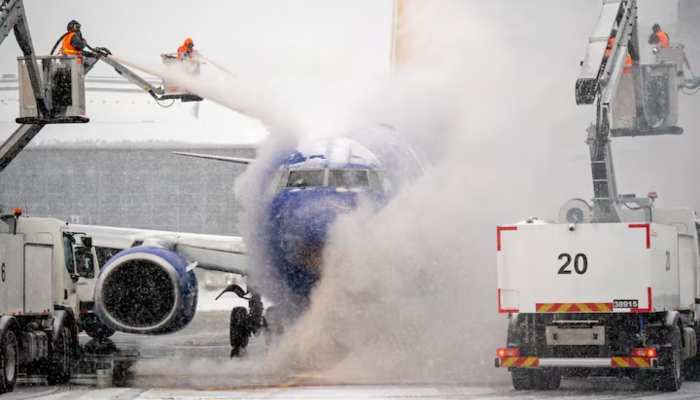
Winter Storm Fern pushed into a major new phase on Sunday, January 25, 2026, driving one of the largest U.S. travel disruptions in years and leaving utilities and emergency managers scrambling as ice and heavy snow spread from the South toward the Mid-Atlantic and Northeast.
Airlines and airports reported extensive operational breakdowns as de-icing capacity, staffing, and aircraft positioning collided with fast-moving weather. Across the weekend, tens of thousands of passengers were stranded or forced to rebook after waves of cancellations swept through the nation’s biggest hubs. In some places, the cancellation rate was so high that many travelers never made it past the departures board.
The storm’s footprint has been unusually broad, combining snow, sleet, and freezing rain across multiple climate zones. Forecasters warned that the transition from rain to ice could be the most dangerous part of the system, turning roadways and runways into skating rinks while also stressing trees, power lines, and transformers.
Communities in parts of the South and East faced a whiplash pattern: wet precipitation followed by plunging temperatures and strong winds. Utility crews prepared for multi-day response operations, and grid operators worked to maintain stability under heightened heating demand. Officials in several states urged residents to avoid nonessential travel, check on neighbors, and keep emergency supplies on hand in case outages dragged on.
For travelers, the advice remained consistent: verify flight status before leaving home, use airline apps for rebooking, and expect scarce seats as airlines attempt to recover schedules. Consumer advocates also emphasized that when flights are canceled, passengers are generally entitled to refunds under U.S. rules, even if they initially bought a nonrefundable ticket.
Beyond aviation, the storm forced closures, delayed shipments, and altered schedules across the economy. Some retailers adjusted delivery operations, while local governments prepared warming centers and asked residents to conserve electricity where possible. With wind chills dropping sharply, officials also warned about exposure risks and urged people to keep pets inside and avoid unnecessary time outdoors.
As Fern continues to move east, the key questions are how long ice will linger in the hardest-hit regions and how quickly airlines can reposition crews and aircraft. Even after the final bands of precipitation end, the recovery can take days because aircraft, staff, and passengers are scattered across the network.
Emergency managers said the storm’s severity is a reminder to treat winter weather as a cascading event: transportation failures can delay repairs, outages can increase medical risk, and supply disruptions can compound quickly. Officials urged residents to stay alert for local warnings and to treat frozen roads and downed lines as life-threatening hazards.