Winter Storm Fern disrupts travel nationwide with mass cancellations and widespread outages
A sprawling winter storm spanning much of the U.S. is triggering emergency declarations, power outages and major travel chaos. Airlines have canceled thousands of flights as snow, sleet and ice spread across multiple regions and colder air lingers behind the system.
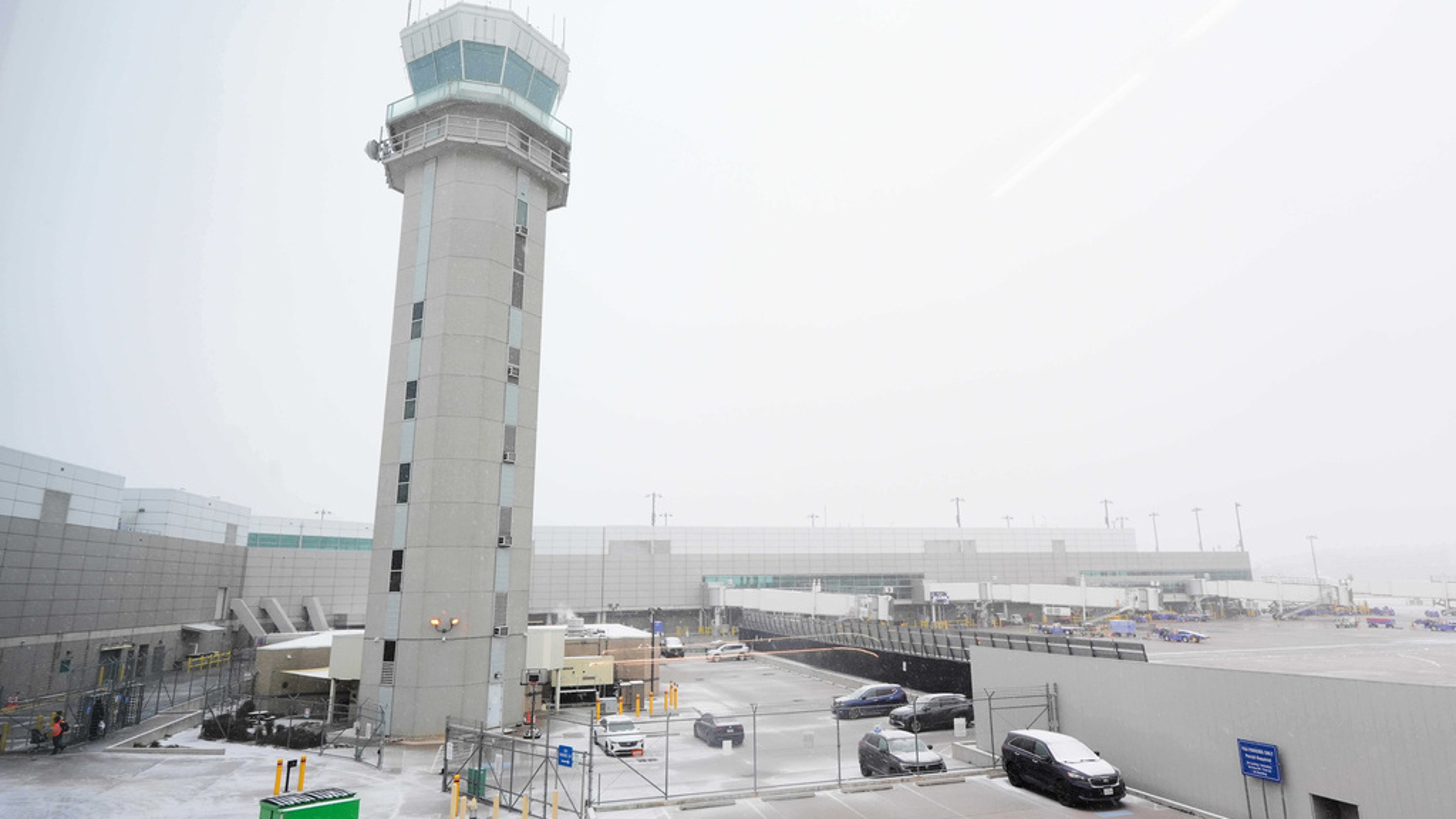
A cross-country storm fuels a travel and power crisis
A major winter storm sweeping across the United States on Sunday, January 25, 2026, has upended travel plans and strained infrastructure from the South into the Northeast. Forecasters warned the storm’s mix of heavy snow, sleet and freezing rain would make roads dangerous, complicate airport operations and slow recovery efforts even after the heaviest precipitation ends.
The storm’s broad reach means impacts are playing out differently by region: heavy snow bands in parts of the Mid-Atlantic and New England, while ice and freezing rain create tree damage and downed lines in areas farther south. Officials in multiple states issued warnings urging residents to stay off the roads, keep supplies on hand, and prepare for interruptions that could last beyond the weekend.
Flights canceled at scale as hubs grind down
Air travel disruptions have been among the most visible consequences. Airlines canceled more than 10,000 flights on Sunday alone, as weather conditions and aircraft positioning problems rippled through route networks. Major hubs across the country saw large shares of departures wiped out, forcing travelers to scramble for rebookings and prompting long lines for customer service.
The cancellations are not just a local problem: a storm affecting multiple time zones can leave aircraft and crews out of place, making it hard for airlines to “catch up” quickly. Even airports outside the heaviest snow and ice zones can experience knock-on delays, because incoming planes and connecting crews never arrive.
Power outages mount while temperatures stay bitter
Utilities reported large numbers of customers without electricity as ice accumulation weighed down trees and lines. The combination of freezing rain and gusty winds is especially damaging because it can snap branches and topple poles. In addition, frigid air behind the storm reduces the window for safe restoration work and increases urgency for warming centers and emergency response.
Emergency management officials emphasized that outages can last longer when ice is widespread, because crews may need to clear debris and repair broken equipment at many sites across a large area. Authorities also warned that continued cold can create secondary hazards, including frozen pipes and dangerous indoor heating practices.
What travelers can do now
- Check your airline’s app and airport departure boards frequently, because schedules may change repeatedly through the day.
- If your flight is canceled and you choose not to travel, request a refund rather than accepting only rebooking options.
- Plan for limited seat availability on later flights, especially on the busiest hub-to-hub routes.
With the storm affecting both roads and airports, officials continued to urge people to delay nonessential travel and to treat local warnings as conditions evolve hour by hour.