Winter Storm Fern expands disruption as states declare emergencies and travel collapses
A major winter storm unofficially dubbed “Winter Storm Fern” is driving widespread emergency declarations and paralyzing U.S. travel, with tens of thousands of delays and cancellations mounting as snow, ice and arctic cold spread east.
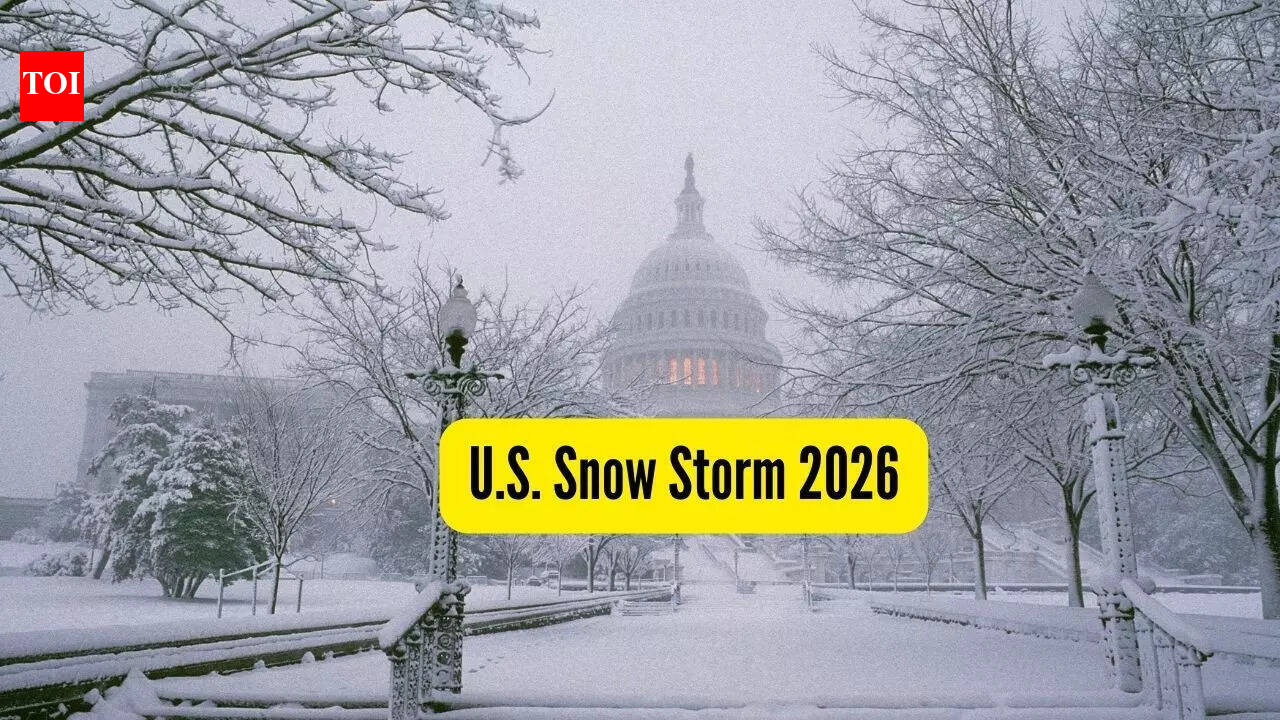
A fast-intensifying winter system sweeping across the United States is triggering emergency declarations, widespread warnings and cascading transportation failures, as heavy snow, dangerous ice and extreme cold push from the Southern Plains toward the Northeast. Forecast impacts stretch across a broad corridor, and public officials are urging residents to avoid unnecessary travel, prepare for power interruptions and monitor local alerts as conditions deteriorate.
The storm—commonly referred to in media coverage as “Winter Storm Fern”—has already forced airlines to cancel large numbers of flights, with airport operations bogged down by runway conditions, de-icing delays and crew displacement. Rail disruptions have also expanded, with multiple routes curtailed as icing and drifting snow complicate track and signal operations. Travelers are being advised to recheck itineraries repeatedly, as conditions can change hour by hour.
Governors across a growing list of states have issued emergency declarations or similar orders designed to speed resource deployment and coordinate road treatment, towing capacity and shelter operations. At the same time, the National Weather Service has posted extensive winter storm and ice storm warnings, reflecting the storm’s unusually large footprint and the potential for significant accumulation of both snow and glaze ice.
Ice remains one of the most serious threats because even modest accretion can bring down tree limbs and power lines, creating long-lasting outages and dangerous road conditions. Road agencies are emphasizing that plows are less effective in pure ice events, and they are urging drivers to stay off untreated roads, especially overnight when temperatures drop and refreezing becomes more likely.
The storm’s severity is also forcing event organizers and sports leagues to rework schedules, particularly in areas expected to see mixed precipitation and rapid temperature swings. In some regions, officials are pre-positioning warming centers to address wind chill risks for residents without reliable heat.
Forecasters say the hazard profile will vary sharply by location: some areas will see prolonged heavy snow and drifting, while others will face a destructive ice layer followed by plunging temperatures that lock in slick surfaces for days. Officials continue to warn that the most dangerous period may arrive as precipitation ends and temperatures fall, turning slush into ice and limiting emergency response times.
Residents are being encouraged to keep devices charged, stock basic supplies, and check on neighbors—particularly older adults and anyone dependent on medical equipment—while travel hubs attempt to restore normal operations in waves as the storm moves east.