Winter Storm Fern snarls travel and operations as millions brace for ice, snow and bitter cold
A sprawling winter storm stretching from the Southern Plains toward the Northeast is bringing heavy snow, dangerous ice and deep cold, with thousands of flight cancellations and emergency declarations across multiple states. Forecasters warn impacts will cascade into commuting, power restoration and supply chains through Monday.
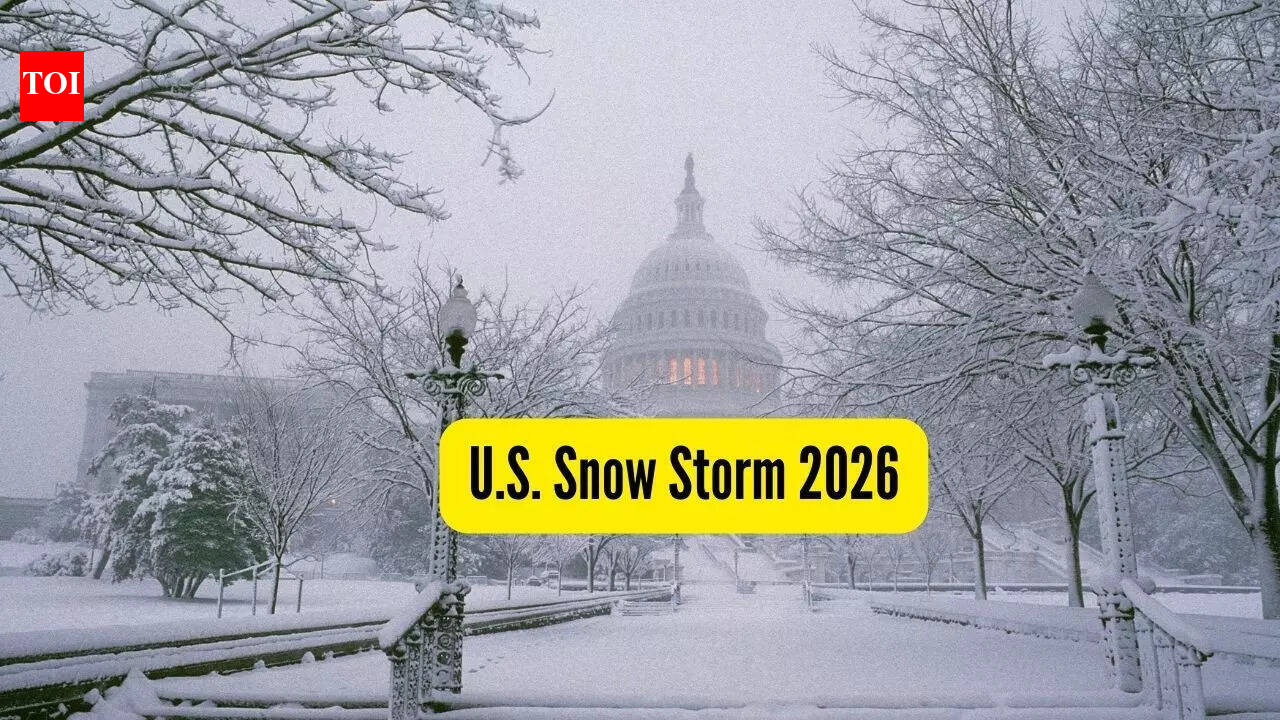
The major U.S. winter system known as Winter Storm Fern continued to expand its footprint on Sunday, January 25, 2026, triggering widespread travel chaos and a growing list of emergency actions by state officials. Forecasts call for a combination of heavy snow, sleet, and freezing rain across a wide corridor, along with an arctic blast that could drive temperatures far below seasonal norms. Authorities have urged residents to avoid unnecessary travel, prepare for power interruptions, and check on vulnerable neighbors as the storm progresses.
Air travel has been among the most immediate pain points. Airlines canceled large volumes of flights over the weekend, and disruptions were expected to persist as conditions shift eastward. Major hubs in the path of the storm have been dealing with de-icing delays, staffing constraints, and cascading aircraft repositioning problems. Rail travel has also been affected, with some services suspended or delayed as tracks and switches ice over and crews contend with extreme cold.
State and local governments have taken a range of steps to reduce risk. Several governors issued emergency declarations enabling quicker deployment of resources, while departments of transportation pre-treated roadways where possible and staged tow and recovery vehicles near major interstates. Some jurisdictions preemptively adjusted school schedules and warned that Monday morning commutes could be hazardous where ice accretion is expected.
Utilities are also preparing for a surge in outages. Ice-laden tree limbs can snap power lines, and strong winds can complicate repairs. In areas where temperatures are expected to plunge, officials have emphasized the danger of exposure and the importance of safe heating practices, including avoiding indoor use of generators or charcoal grills. Warming centers have been opened in some communities, particularly where homelessness and medically fragile residents face higher risk during prolonged cold.
Forecasters have stressed that the exact line between snow and freezing rain will determine which communities see the worst impacts. Even a modest shift in track can dramatically change local outcomes, turning a plowable snow event into an ice storm with downed trees and extended blackouts. Residents along the transition zone are being urged to keep phones charged, stock basic food and medicine, and plan for the possibility of limited mobility for at least a day.
Beyond the immediate safety concerns, Fern’s disruption is rippling into commerce and public services. Delayed deliveries, store closures, and postponed events have been reported in parts of the storm corridor. Emergency managers say the next critical phase will be the period after the heaviest precipitation, when crews attempt to restore transportation and power while temperatures remain brutally low—conditions that can freeze standing water and refreeze treated roads.