Winter Storm Fern spreads disruption across the U.S., triggering emergency declarations and travel chaos
A sprawling winter system dubbed Winter Storm Fern is moving across the United States, bringing heavy snow, dangerous ice, and Arctic cold. Officials in multiple states have issued emergency declarations as airlines cancel thousands of flights and communities brace for outages, treacherous roads, and prolonged freezes.
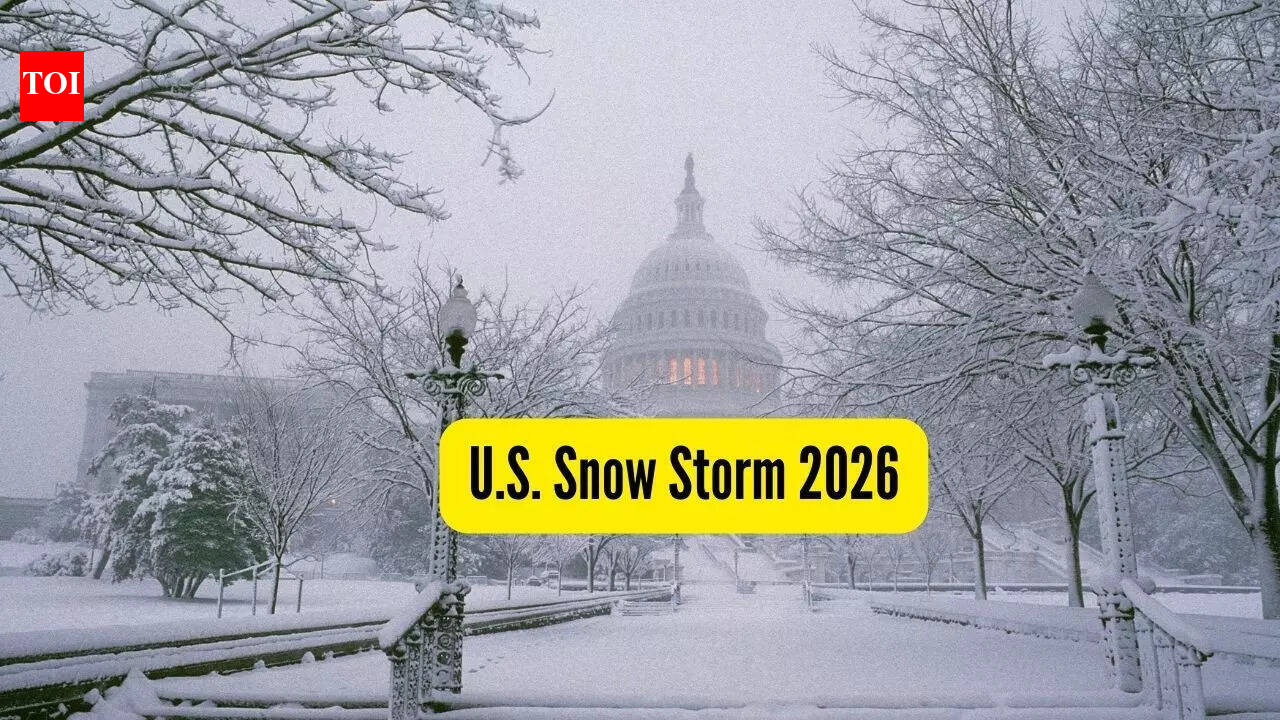
A major storm event hits millions
Winter Storm Fern is sweeping across the United States in late January 2026, with forecasters warning of a broad mix of snow, freezing rain, and bitter cold capable of paralyzing travel and stressing power infrastructure. The storm’s impacts are not confined to one region; instead, it stretches across a wide corridor, forcing cities and states to prepare simultaneously for icy roads, stranded travelers, and possible utility failures. With the system arriving during a busy weekend, disruptions quickly cascaded into aviation, highways, and local emergency services as weather conditions deteriorated.
Emergency declarations and public warnings
As Fern intensified, governors in numerous states issued emergency declarations and urged residents to avoid unnecessary driving, stock basic supplies, and plan for potential power interruptions. Local agencies emphasized the dangers of black ice, low visibility, and rapidly changing conditions, especially where sleet and freezing rain accumulate on untreated roads. Public safety messaging also focused on cold exposure risks, including hypothermia for anyone stranded outdoors or without reliable heating, and the need to check on vulnerable neighbors.
Travel disruption spreads quickly
Air travel has been a clear early casualty. As the storm moved into major corridors, airlines canceled large numbers of flights, and airports faced delays and de-icing bottlenecks. Even travelers far from the storm’s core felt the ripple effects as aircraft and crews were displaced. Road travel also grew hazardous as snowfall and ice created multi-hour slowdowns, increased accident risk, and prompted some local restrictions. Emergency responders warned drivers that conditions could worsen after dark, when refreezing can turn wet surfaces into glassy ice.
Power, infrastructure, and duration concerns
Ice is often the most damaging component of winter storms, and Fern’s forecast of freezing rain in some areas raised concerns about downed lines and prolonged outages. Utilities prepared crews for restoration work while advising customers to charge devices, keep flashlights handy, and avoid using unsafe indoor heating methods. With cold air in place behind the storm, even short outages could become dangerous, increasing the urgency of warming centers and community support plans.
- Expect rapidly changing conditions: snow can shift to sleet and freezing rain within miles.
- Avoid nonessential travel; if you must drive, carry blankets, food, and a phone charger.
- Prepare for outages by charging devices and keeping safe, non-flame lighting available.
- Check local alerts for school, transit, and road closures as conditions evolve.
While exact totals vary by region, the combination of widespread precipitation, subfreezing temperatures, and heavy travel demand makes Fern one of the most disruptive U.S. winter weather events of the season. Officials continue urging residents to monitor local forecasts and heed advisories through the storm’s peak and the cold period that follows.