Winter Storm Fern spreads extreme cold and widespread outages across the U.S.
Winter Storm Fern pushed a dangerous mix of snow, ice and Arctic air across the southern and eastern United States, triggering emergency declarations, mass flight cancellations and hundreds of thousands of power outages. Utilities, state agencies and federal responders prepared for multi-day disruptions as temperatures plunged.
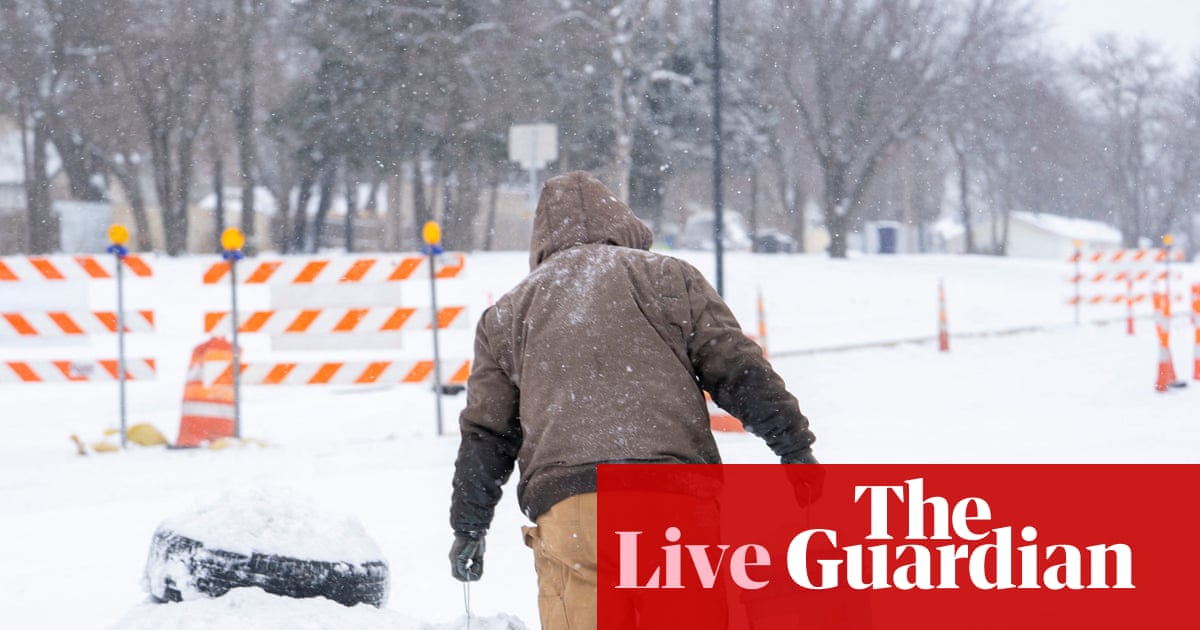
A sprawling winter system nicknamed Winter Storm Fern swept across broad stretches of the United States this weekend, bringing heavy snow, damaging ice and an extended burst of Arctic cold that strained power grids and disrupted travel. Forecasts and emergency messaging warned of a prolonged event rather than a quick-moving storm, with hazardous conditions spreading from parts of the Southwest into the South, the Ohio Valley and the Northeast.
Across multiple states, governors issued emergency declarations as the storm’s footprint widened and road conditions deteriorated. Airports and airlines were hit especially hard: thousands of flights were canceled nationwide as crews contended with deicing delays, shifting storm tracks and lingering low temperatures that complicated recovery. Transportation agencies urged residents to postpone nonessential travel, while many communities prepared for school closures and reduced public transit service.
The storm also delivered significant stress to the electric system. As ice accumulated on lines and trees, utilities reported widespread outages and warned that restoration could take time in the hardest-hit areas, where crews might not be able to work safely until wind and precipitation eased. Industry groups said utilities and cooperatives coordinated mutual-aid staging and pre-positioned workers to shorten response times once conditions allowed crews to access damaged infrastructure.
Officials highlighted the dual threat of cold exposure and carbon monoxide poisoning, urging people to use space heaters and generators safely. Public messaging also emphasized checking on vulnerable neighbors, stocking essential supplies and keeping devices charged as outages spread. In some places, warming centers were opened and first responders expanded staffing to prepare for weather-related accidents.
While snow totals and ice amounts varied by region, the defining feature of Fern was its size and duration: a wide swath of the country faced repeated rounds of precipitation followed by bitter cold, raising the risk of refreezing on roads and sidewalks even after plows passed. Meteorologists warned that the storm’s aftermath could be as dangerous as the peak impacts, especially where freezing rain left roads slick and downed limbs blocked streets.
Utilities, emergency managers and forecasters said the public should expect interruptions to continue in areas where ice damage was significant and temperatures remained well below freezing. Even after the main precipitation shield shifted east, frigid air was expected to keep demand high and slow cleanup work, prolonging hazards for drivers and households dealing with limited heat.