Democrats threaten funding fight after DHS-linked shooting controversy
U.S. lawmakers signaled a looming budget confrontation after the Minneapolis shooting, with Democrats warning they may block DHS funding without tighter limits on ICE.
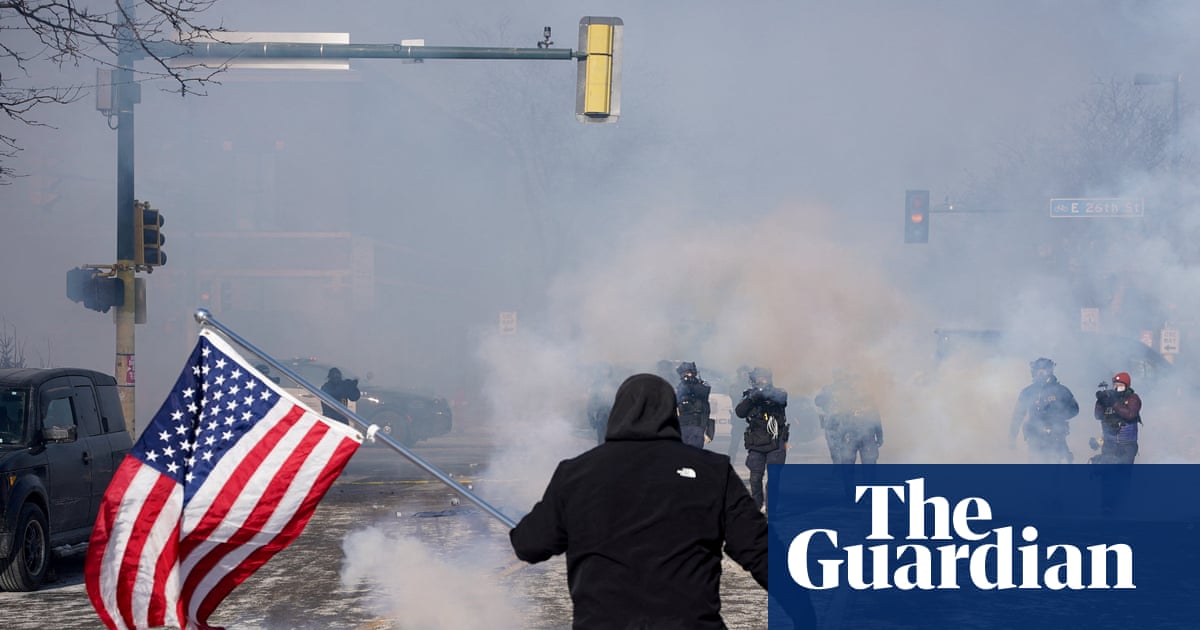
A political confrontation over federal enforcement powers escalated this weekend after the killing of Alex Pretti in Minneapolis, an incident that has prompted widespread protests and intensified scrutiny of the Department of Homeland Security and immigration enforcement. The Guardian’s roundup of key developments highlighted how quickly the shooting moved from a local tragedy to a national budget and oversight dispute, with Senate Democrats raising the stakes by tying future funding to reforms.
The report described a wave of demonstrations across major U.S. cities and focused on the contested facts of the incident. Video evidence circulating online, the outlet said, appeared to show Pretti holding a phone rather than a gun when he was tackled and shot. That depiction conflicts with statements from senior administration officials who claimed he posed a severe threat to federal agents. The clash between video and official claims has become central to the political argument: critics say it indicates either a rush to judgment or an attempt to justify lethal force after the fact.
At the federal level, the Guardian reported that Senate Democratic leader Chuck Schumer said Democrats would block a funding package next week if it includes money for DHS without meaningful constraints on ICE. The tactic reflects a familiar Washington reality: when conventional oversight tools fail to produce rapid changes, lawmakers use appropriations as leverage. DHS oversees ICE, and budget language can limit specific operations, mandate reporting requirements, or create penalties for noncompliance.
The funding threat also shows how enforcement controversies can reshape party strategy. Democrats, responding to public anger and pressure from advocates, may see a political need to demonstrate that they can slow or alter federal operations they view as abusive. Republicans and the administration, by contrast, are likely to frame any funding hold as an attack on border security and law enforcement, arguing that restricting DHS resources endangers officers and encourages disorder.
What happens next will depend on evidence and timing. If more video, dispatch audio, or internal documentation is released, it could either bolster the federal self-defense narrative or further damage it. At the same time, appropriations fights run on deadlines: if Congress faces a must-pass bill, the side willing to accept the risk of a shutdown or short-term lapse often gains negotiating power. That dynamic can turn a demand for transparency into a high-stakes test of political endurance.
Even if a near-term compromise avoids a full funding rupture, the Minneapolis shooting appears likely to drive longer-term policy debates: whether federal agents should be deployed in certain local contexts, what rules govern crowd-control tools and use-of-force decisions, and how quickly outside investigators can access evidence. In effect, the case is now operating as both a criminal-justice controversy and a legislative bargaining chip—two tracks that can influence each other as public attention and congressional deadlines converge.