Outrage spreads after Minneapolis killing as video challenges officials’ claims
Protests intensified across the U.S. after a Minneapolis nurse was fatally shot by federal agents, with video appearing to contradict claims that he posed a lethal threat.
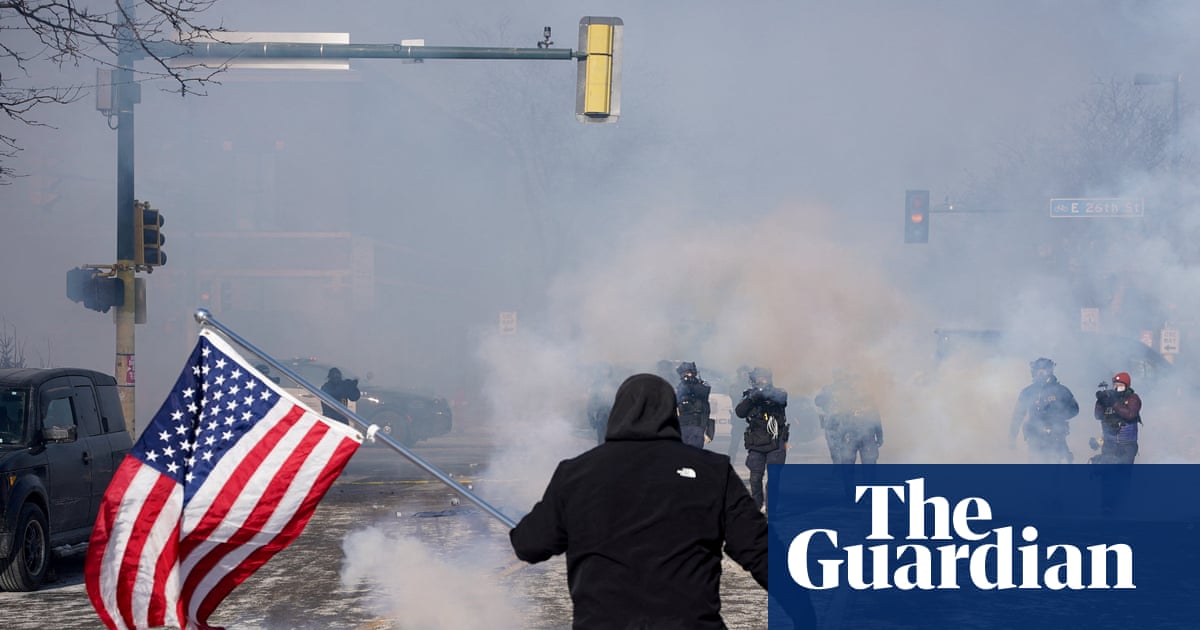
MINNEAPOLIS — Protests expanded across multiple U.S. cities after federal law-enforcement officers fatally shot Alex Pretti, a 37-year-old registered nurse, during an encounter in Minneapolis. The killing, described as the second fatal shooting by federal agents in less than three weeks, quickly became a flashpoint in a broader debate about enforcement tactics and accountability.
Video shared widely online appeared to show Pretti holding a phone rather than a gun, contradicting claims by senior administration officials that he posed an imminent threat. The footage intensified demands for a clearer accounting of what happened, as witnesses and local leaders questioned why the confrontation escalated to lethal force.
The incident fueled demonstrations calling for changes to immigration enforcement and the agencies that oversee it. Activists framed the shooting as part of a pattern of aggressive tactics, while some elected officials warned that the public’s trust is being damaged by repeated episodes involving federal personnel and civilians.
In Washington, Democrats signaled a harder line on homeland security funding, arguing that budget bills should include tighter constraints and oversight. The political fight risked colliding with fiscal deadlines, raising the prospect that outrage over the shooting could influence near-term legislative strategy.
Local officials in Minnesota, facing renewed street demonstrations in frigid conditions, criticized what they described as an expanding federal presence and asked how many more injuries or deaths would occur before operations change. Community members held vigils while organizers planned additional actions in other cities.
As investigations and public scrutiny accelerate, the case has become both a local tragedy and a national political test: whether video evidence, witness accounts, and mounting protest pressure will force policy changes, or whether the confrontation will harden partisan divisions over law enforcement and immigration.