Trump’s threats toward Europe deepen alliance anxiety and complicate US global standing, AP reports
President Donald Trump’s confrontational approach toward European allies has rattled NATO partners and raised questions about America’s long-term reliability, according to an Associated Press analysis. The episode around Greenland and broader rhetoric have pushed some governments to hedge their bets and plan for a future with less US leadership.
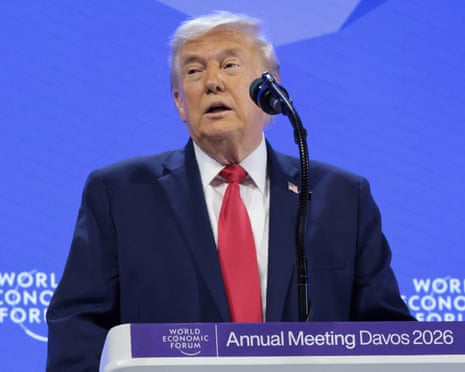
A sharper posture toward European allies
An Associated Press analysis says President Donald Trump has intensified pressure on Europe during his second term, departing from decades of alliance management and using language and tactics that European officials associate with adversarial relationships. The report frames the result as a destabilizing shock to transatlantic ties that could outlast the immediate disputes.
AP noted Trump has, in this period, issued demands and leveled accusations in ways that have left allies more uncertain about the U.S. role in long-standing security arrangements. Even when the most extreme threats are later softened or walked back, the analysis argues that trust can be harder to restore.
The Greenland episode as a stress test
According to AP, Trump’s rhetoric and actions around Greenland have become emblematic of the broader strain. The story says he shared imagery of planting a U.S. flag in Greenland and used an international platform in Davos to criticize Europe’s direction, contributing to a perception of unpredictability at the top of the U.S. government.
AP reported that even as Trump has backed away—for now—from his most potent Greenland-related threats, the episode has left America’s standing in the world uncertain. The concern, as described in the analysis, is not only about a single policy fight but the cumulative effect on allied planning and deterrence.
Why allies are recalculating
AP suggested NATO leaders have already been signaling strategies that do not depend on U.S. leadership to the same degree as in previous decades, a shift that could make future diplomatic repair harder for any subsequent U.S. administration. The logic for allies is straightforward: if commitments appear conditional or volatile, contingency planning becomes unavoidable.
The analysis also notes the political feedback loop in Washington: Trump retains strong support among congressional Republicans, while Democrats warn that rebuilding credibility internationally may require sustained policy stability across election cycles. In other words, allies may not be reassured by a single election result if they believe the next reversal is always possible.
What to watch next
- Whether European governments accelerate defense procurement and joint capabilities to reduce reliance on U.S. commitments.
- How tariff threats and trade measures intersect with security cooperation, potentially turning alliance disputes into economic retaliation cycles.
- Whether international forums (including Davos-style convenings) become stages for public pressure campaigns rather than behind-the-scenes problem-solving.
AP’s broader point is that alliances are built on predictability as much as power. When predictability erodes, allies begin treating even long-standing partners as variables—changing the strategic landscape even without a formal rupture.