Trump ties Greenland posture to Nobel Peace Prize frustration as tensions rise
The U.S. president linked his increasingly aggressive stance on Greenland to resentment about not receiving a Nobel Peace Prize, according to a message confirmed by the White House. The comments added to a standoff with Denmark and other European allies and intensified debate about Arctic security and alliance unity.
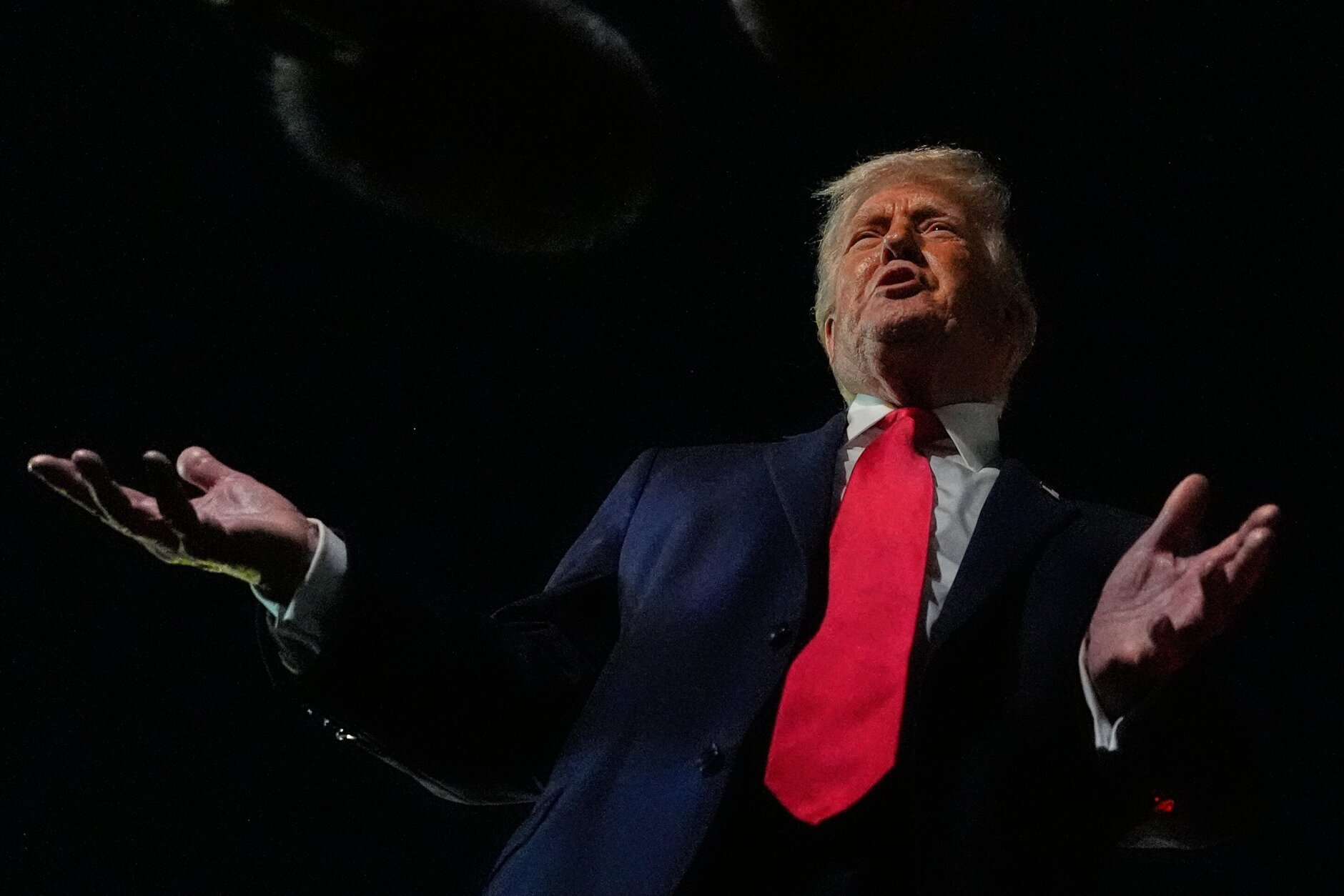
A dispute over Greenland took a sharper political turn after the U.S. president connected his posture toward the Arctic territory to frustration about not being awarded a Nobel Peace Prize. The White House confirmed the existence of a message to Norway’s prime minister that suggested the president felt less bound to pursue a purely peace-focused approach, a framing that quickly reverberated across Europe and within Washington.
The remark landed amid sustained pushback from Denmark and Greenland’s leadership, who have insisted that Greenland is not for sale and that any discussion of the island’s future must respect Greenlanders’ right to self-determination. European officials have warned that threats toward a NATO ally’s territory risk destabilizing transatlantic cooperation at a moment when the Arctic is becoming more strategically contested.
The dispute has widened beyond rhetoric. In recent days, a broader set of political and economic tools have been floated and debated, with allies weighing how to respond to pressure tactics while maintaining channels for negotiation. Public demonstrations in Greenland and Denmark have amplified the political stakes, turning the issue into a visible test of sovereignty, alliance solidarity and domestic political messaging.
Supporters of a tougher posture argue that Greenland’s geography and resources make it central to future security and economic competition, and they point to concerns about Russian and Chinese activity in the Arctic. Critics counter that the U.S. already has major defense capabilities tied to Greenland through existing agreements, and they say escalating demands risk rupturing partnerships that underpin Arctic stability.
In Washington, the episode has fueled debate about how far a president can go in using state power to influence an allied territory’s status. While the administration frames its position as national-security driven, opponents warn that aggressive tactics could set off retaliatory measures, weaken NATO’s deterrence posture and create openings for adversaries to exploit alliance divisions.
For European leaders, the challenge has been to balance firmness with restraint: signaling that borders and sovereignty are not bargaining chips while avoiding steps that could further inflame tensions. As winter diplomacy continues and international meetings proceed, Greenland remains an immediate flashpoint with long-term implications for the future of Arctic governance and NATO cohesion.