Canada’s leader downplays Trump’s 100% tariff threats ahead of USMCA review talks
Canadian Prime Minister Mark Carney described President Donald Trump’s tariff warnings as negotiating tactics, as Ottawa and Washington head toward a scheduled USMCA review amid tensions over Canada’s China trade moves.
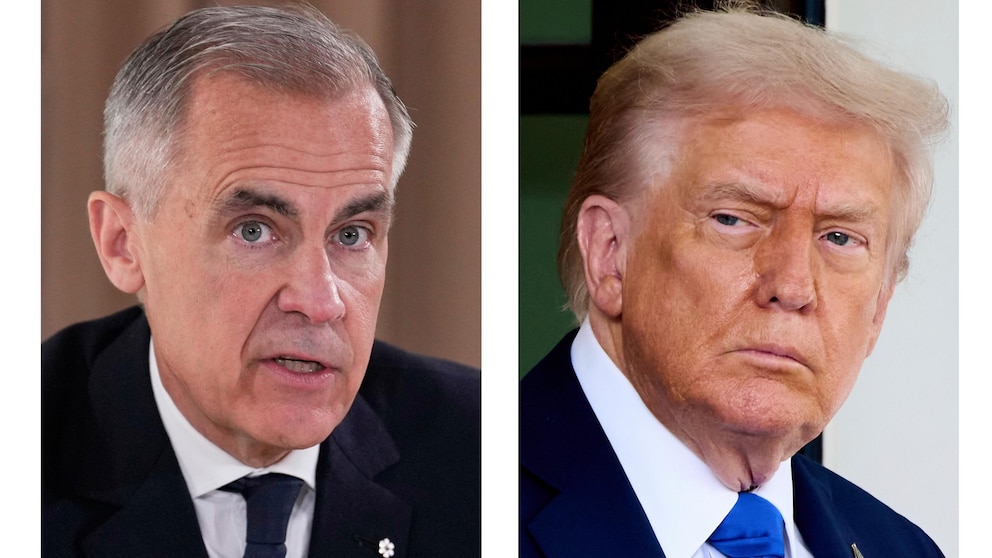
Tariff threat lands ahead of trade talks
Canadian Prime Minister Mark Carney said Monday, January 26, 2026, that President Donald Trump’s recent threat of a 100% tariff on Canadian imports should be seen as bluster ahead of talks tied to the built-in review of the U.S.-Mexico-Canada Agreement (USMCA). Carney’s remarks came after Trump warned Canada against pursuing deeper trade arrangements with China.
In reporting by the Associated Press, Canadian officials argued the upcoming USMCA discussions are a routine review mechanism rather than a wholesale renegotiation, and they signaled readiness to proceed efficiently while pushing back on what they view as political pressure via tariff threats.
China trade and a new diplomatic dispute
The dispute is sharpened by Canada’s recent adjustment to its approach toward Chinese electric-vehicle tariffs and related trade measures. Canadian leaders say Ottawa is pursuing a narrower arrangement with Beijing—not a sweeping free trade deal—while still trying to protect key industries and address bilateral friction.
The rhetoric has escalated into a broader diplomatic conflict. The AP report also noted Trump’s provocative comments about Canada’s status, which drew criticism in Ottawa and added political sensitivity to the already complex set of cross-border files: autos, energy, agriculture, and supply chains.
What comes next
- Trade officials begin the formal USMCA review process on the timeline set in the agreement.
- Canada seeks to frame the talks as procedural, while monitoring any U.S. move toward actual tariff action.
- Businesses and markets watch for spillover into border logistics, investment plans, and consumer prices.
Even without immediate tariffs, the episode adds uncertainty for companies that rely on integrated North American production, particularly in autos and advanced manufacturing where parts frequently cross the border multiple times.