Judge presses Trump administration over Minnesota challenge to immigration crackdown after fatal shootings
A federal judge in Minneapolis heard arguments in Minnesota’s bid to curb an intensified federal immigration operation after two fatal shootings by federal officers. The court scrutinized claims of federal overreach and a controversial demand that the state provide voter and benefits data as part of a broader confrontation over immigration enforcement.
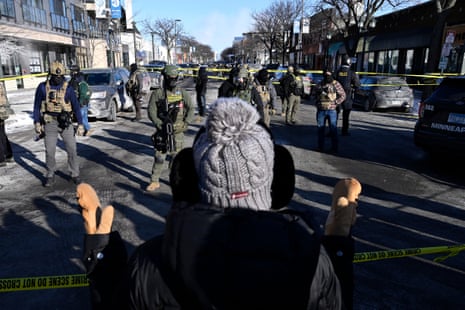
A federal judge in Minneapolis heard arguments Monday, January 26, 2026, in a case that could reshape how far a state can go in challenging federal law enforcement deployments. Minnesota, along with the cities of Minneapolis and St. Paul, is seeking a temporary halt to the Trump administration’s expanded immigration crackdown in the region after two fatal shootings by federal officers intensified political outrage and street protests. ([apnews.com](https://apnews.com/article/5bd12d70d3c76bfe5eacd802ce7480a7))
U.S. District Judge Katherine Menendez questioned both sides sharply, including the federal government’s motives and the scope of executive power when framed as immigration enforcement. The judge also voiced skepticism about a letter from U.S. Attorney General Pam Bondi that requested access to Minnesota’s voter rolls and state assistance records—requests that opponents argue are unrelated to immigration enforcement and amount to coercive pressure on state policy. ([apnews.com](https://apnews.com/article/5bd12d70d3c76bfe5eacd802ce7480a7))
The dispute centers on an operation Minnesota says dramatically altered conditions on the ground. The state and the Twin Cities are asking the court to restore the status quo that existed before the administration launched its effort on December 1, bringing a major surge of federal personnel into the area. Lawyers for Minnesota argued the situation has become so volatile that judicial intervention is necessary to prevent further harm and reduce the likelihood of additional confrontations. ([apnews.com](https://apnews.com/article/5bd12d70d3c76bfe5eacd802ce7480a7))
Federal officials, for their part, have defended the operation as lawful immigration enforcement, a position that sets up a consequential constitutional question: at what point does a large federal deployment become an overreach that intrudes on state authority? The judge did not issue an immediate ruling, but indicated the matter is a priority, signaling that further decisions could come quickly. ([apnews.com](https://apnews.com/article/5bd12d70d3c76bfe5eacd802ce7480a7))
The case has already attracted national attention, including support for Minnesota’s position from other state attorneys general. How the court resolves the request for emergency relief may influence how other states respond to sweeping federal enforcement actions, particularly when they are paired with demands for unrelated state data or changes to local “sanctuary” policies. ([apnews.com](https://apnews.com/article/5bd12d70d3c76bfe5eacd802ce7480a7))