Minneapolis shooting triggers protests as immigration enforcement comes under renewed scrutiny
Protests spread after a fatal shooting in Minneapolis involving a federal officer, adding pressure to the Trump administration’s immigration enforcement strategy. Demonstrations and calls for accountability expanded beyond Minnesota, reflecting a broader debate over federal tactics, community safety, and the role of immigration agencies.
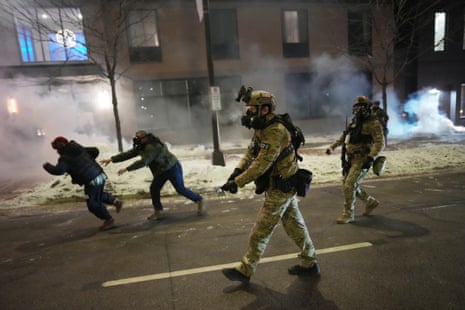
A local tragedy becomes a national political flashpoint
A fatal shooting in Minneapolis has prompted waves of public demonstrations and intensified political scrutiny of federal immigration enforcement. The death of Alex Pretti, described by local accounts as occurring during a federal operation, triggered grief and anger in the city and helped spur broader protests in other locations. The events unfolded amid a wider national argument about the scope and aggressiveness of immigration crackdowns, and whether federal agencies are sufficiently accountable to local communities.
Organizers and community leaders called for transparency about the circumstances of the shooting and demanded policy changes, while public officials urged calm and emphasized the need for a credible investigation. The protests brought together advocacy groups, local residents, and activists who say federal operations can escalate quickly and create risks for bystanders and targeted individuals alike.
Protests spread beyond Minneapolis
Demonstrations were reported in multiple cities, with participants linking the Minneapolis shooting to broader concerns about enforcement tactics. Protesters framed the issue around civil rights, due process, and the impact of enforcement actions on families and workplaces. In some locations, rallies included speeches calling for oversight, changes to operational guidelines, and clearer limits on when and how force can be used.
At the same time, political allies of the administration defended tougher measures, arguing that visible enforcement acts as deterrence and that officers must be protected while carrying out federal law. The clash of narratives reflects a familiar pattern in U.S. politics: localized incidents can rapidly become symbolic of national conflicts over immigration, policing, and federal-state relationships.
What happens next
The political aftermath is likely to include calls for hearings, audits, and public reporting on the use of force in immigration-related operations. Advocacy organizations are pushing for independent review mechanisms and clearer public data about incidents, while local leaders are weighing how to reduce tensions and prevent violence at future demonstrations. As the investigation proceeds, the debate is expected to continue in Congress, state capitols, and the campaign landscape heading toward the 2026 election cycle.
- A Minneapolis shooting involving a federal officer sparked protests and calls for accountability.
- Demonstrations expanded to other cities, amplifying the immigration enforcement debate.
- Supporters of tougher enforcement argue deterrence and officer safety remain priorities.
- Political pressure is expected to increase for oversight, data transparency, and review.