NATO chief says Europe can’t defend itself without U.S., warns autonomy would require far more spending
NATO Secretary-General Mark Rutte told EU lawmakers that Europe remains dependent on U.S. military power, including nuclear deterrence, as tensions rise over Trump’s Greenland threats and allied burden-sharing.
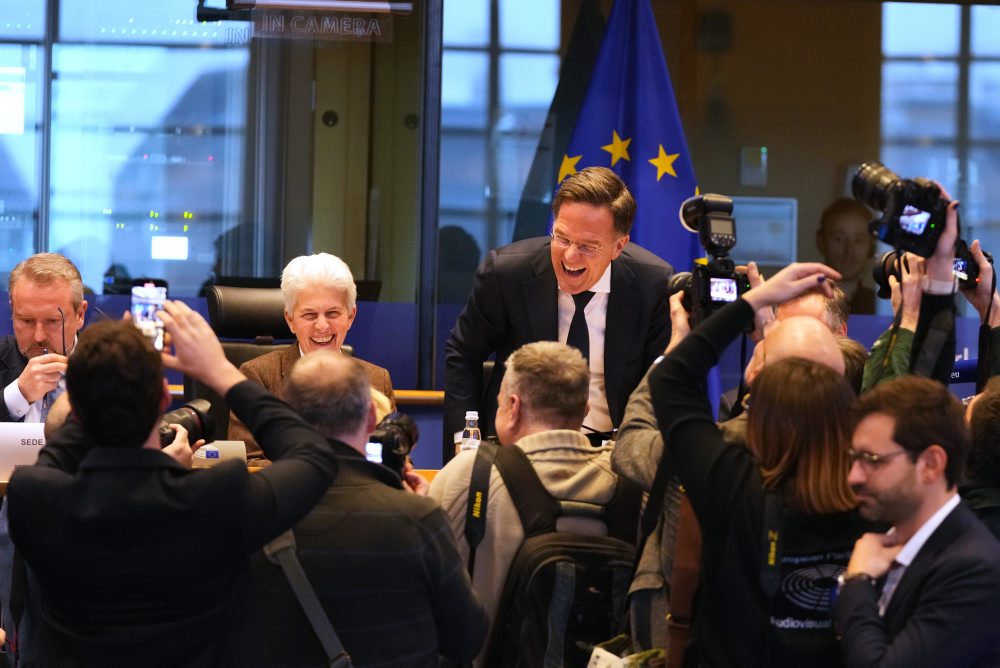
Rutte’s warning to EU lawmakers
NATO Secretary-General Mark Rutte told lawmakers in Brussels that Europe is not positioned to defend itself without U.S. military support. He argued that even higher spending targets discussed among allies would not be enough for full European independence, and he framed the transatlantic relationship as an unavoidable security reality rather than a political preference.
Spending, capabilities, and the nuclear umbrella
Rutte said a self-sufficient Europe would require a dramatic expansion of military capacity, not just incremental budget increases. He also emphasized that U.S. nuclear protection remains a core pillar of deterrence; without it, Europe would face a fundamentally different security posture and would have to consider costly and politically sensitive alternatives.
Greenland tensions in the background
The comments come amid renewed tensions inside NATO after President Donald Trump’s threats regarding Greenland, a semi-autonomous territory of Denmark. Rutte referenced the broader strains created by aggressive rhetoric and tariff threats, though he stressed that allies ultimately “need each other,” and he presented alliance cohesion as the practical path forward even during political turbulence.
Why it matters: the debate over European “strategic autonomy” has grown sharper as the U.S. signals shifting priorities and uses economic leverage in disputes. Rutte’s remarks underline that autonomy is not simply a slogan—it implies years of procurement, force generation, industrial capacity building, and political consensus across capitals that do not always align.