Protests intensify in Minneapolis after fatal shooting by federal immigration agents, report says
A Minneapolis protest grew after a federal agent fatally shot ICU nurse Alex Jeffrey Pretti, according to Democracy Now!, which cites video and witness accounts contradicting claims that he posed a threat. The outlet reports political fallout as federal officials pressure Minnesota leaders amid demands for investigations and limits on immigration enforcement.
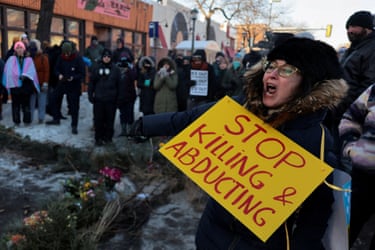
Protests continued in Minneapolis after federal immigration agents fatally shot Alex Jeffrey Pretti during a confrontation at a demonstration, according to a report from Democracy Now! The outlet described Pretti as an intensive care unit nurse and said the incident quickly fueled larger rallies and a widening political dispute over immigration enforcement tactics in the city.
Video disputes official characterization, the report says
Democracy Now! said federal agents claimed Pretti was a violent gunman, but that video and witness accounts contradicted that characterization. The outlet reported that footage showed him being wrestled to the ground by multiple officers before being shot, and that he appeared to be filming or intervening during an altercation involving another protester.
The shooting, the outlet added, came after an earlier fatal incident involving ICE agents in Minneapolis, intensifying scrutiny of federal operations and prompting calls for investigations from activists and public figures. Demonstrations and strike activity were described as part of a broader backlash to the administration’s immigration crackdown.
Federal-state tensions and political consequences
The same report said Attorney General Pam Bondi demanded access to Minnesota voter rolls and certain public assistance data in exchange for pulling ICE out of the state. Democracy Now! also noted congressional maneuvering tied to Homeland Security funding and reported that House Democrats were sponsoring an impeachment effort targeting Homeland Security Secretary Kristi Noem.
As the situation developed, Minneapolis remained a flashpoint in the national debate over immigration enforcement, police accountability, and federal authority. Local officials and residents faced immediate questions about public safety and civil liberties, while national leaders confronted growing pressure to explain the events surrounding the shooting and the policies that led to the federal presence in the city.