White House distances Trump from harsh language after Minneapolis protester’s killing
The White House sought to separate President Donald Trump from inflammatory characterizations made after the fatal shooting of a Minneapolis protester by a federal immigration officer. The case has triggered investigations and sharpened disputes over the administration’s enforcement surge.
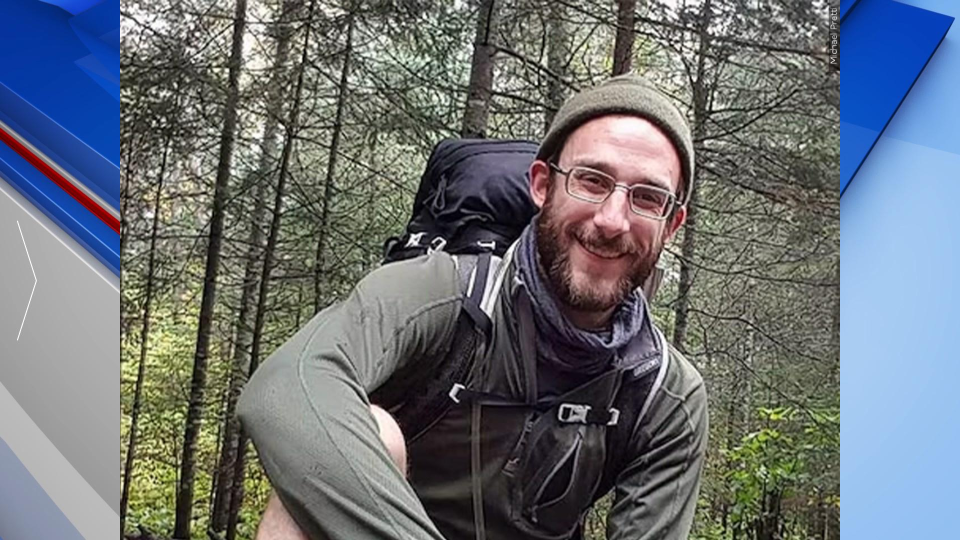
The White House on Monday moved to distance President Donald Trump from controversial descriptions used by officials after a Minneapolis protester was killed by a federal immigration officer. The pushback followed public outcry over rhetoric that labeled the victim an “assassin” or “domestic terrorist,” language the administration said the president himself did not use.
The shooting has become a flashpoint in a broader dispute over the administration’s intensified immigration enforcement posture in Minnesota. Critics argue the surge has strained constitutional norms and escalated tensions on the ground, while supporters say the deployment is necessary to enforce federal law and improve public safety.
Federal authorities and local leaders have faced growing pressure to provide a clear, transparent account of what happened. Multiple investigations are underway, and lawmakers from both parties have signaled they want accountability, with hearings and further oversight expected in the coming weeks.
As the political battle widened, legal challenges and public demonstrations intensified. Advocates and state officials have demanded changes to enforcement tactics, saying communities have been rattled by aggressive operations and the presence of large numbers of federal personnel in and around Minneapolis.
The White House emphasized that it wants a full investigation of the incident and portrayed the president as focused on due process rather than on provocative labels. Still, the episode has become a test of how the administration balances immigration enforcement priorities with public trust in the use of force.
The Minneapolis case is also influencing the congressional calendar. Lawmakers have connected the shooting to broader debates over Homeland Security funding, oversight of federal agencies and the scope of immigration authority, signaling that the political fallout may continue well beyond this week.