Federal judge orders acting ICE director to appear in court amid due-process dispute over bond hearings
A Minnesota chief judge ordered the acting ICE director to personally appear and explain continued failures to provide court-ordered bond hearings for detainees. The ruling adds legal pressure during an intensified immigration crackdown and rising political tensions after two fatal incidents involving federal immigration enforcement in the state.
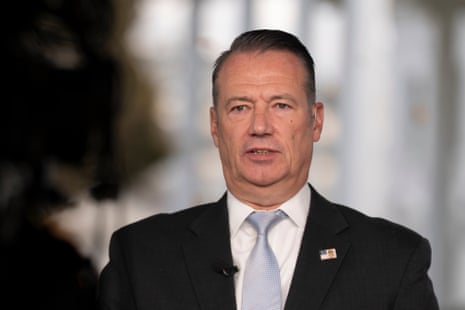
A federal judge in Minnesota ordered acting Immigration and Customs Enforcement Director Todd Lyons to appear in court and explain why he should not be held in contempt, citing what the judge described as repeated noncompliance with orders requiring bond hearings for detained immigrants. The order, issued by Chief Judge Patrick J. Schiltz, frames the dispute as a due-process issue and signals the court’s growing impatience with how detentions are being handled. ([apnews.com](https://apnews.com/article/b0cec9d1c5bae4b62469011775082300?utm_source=openai))
Schiltz wrote that it is extraordinary to require the head of a federal agency to appear personally, but said the scale of the violations was also extraordinary and that lesser measures had failed. The judge argued that authorities detained large numbers of immigrants in Minnesota without building systems to manage the legal proceedings that would predictably follow, such as habeas petitions and related lawsuits. ([apnews.com](https://apnews.com/article/b0cec9d1c5bae4b62469011775082300?utm_source=openai))
The immediate case referenced in the order involves a petitioner identified as Juan T.R., an Ecuadorian citizen who has lived in the United States since around 1999. Court records cited in the report indicate the court granted relief on Jan. 14 requiring a bond hearing within seven days, but attorneys later told the court he remained detained past that deadline. The judge said Lyons’ appearance could be canceled if the detainee is released. ([apnews.com](https://apnews.com/article/b0cec9d1c5bae4b62469011775082300))
The legal clash comes amid intensified immigration enforcement activity in the Twin Cities area. The report notes that agents were seen operating around the region while state and local leaders pursued court action seeking to curb what they describe as an enforcement surge. In parallel, the White House shifted its management approach in Minnesota, highlighting how rapidly the issue has escalated from policy into a multi-front political and legal confrontation. ([apnews.com](https://apnews.com/article/b0cec9d1c5bae4b62469011775082300))
The backdrop includes heightened public scrutiny after two deaths in Minnesota this month connected to immigration law enforcement activity, and increased federal attention to the state’s operations. The story portrays these events as a catalyst for protests, political blame-shifting, and urgent meetings between federal and local officials focused on investigations and next steps. ([apnews.com](https://apnews.com/article/b0cec9d1c5bae4b62469011775082300))
More broadly, the court’s move emphasizes a fundamental tension in immigration governance: scaling up detention and enforcement while maintaining timely hearings and constitutional protections. When courts conclude that legal safeguards are being bypassed, enforcement actions can trigger not only political backlash but also direct judicial intervention that disrupts operations, forces policy changes, or opens the door to broader litigation.