Timberwolves and Warriors play amid Minneapolis mourning after ICE shooting, with emotions spilling into arena
The Timberwolves returned to the court against the Warriors in a somber game shaped by grief and protests in Minneapolis after the fatal shooting of Alex Pretti. Coaches and players described an atmosphere unlike a normal NBA night as the city confronted a broader immigration-enforcement crisis.
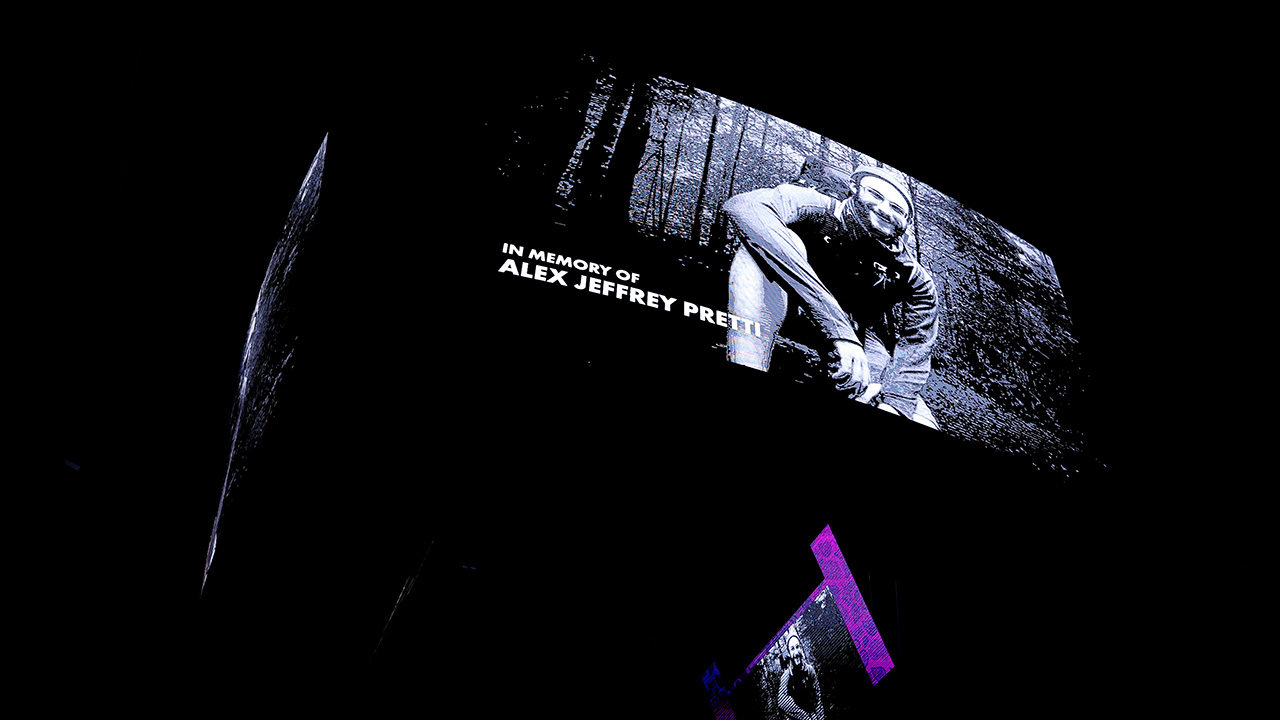
MINNEAPOLIS — The Minnesota Timberwolves returned to play the Golden State Warriors in a game that felt less like a routine NBA event and more like a public vigil, as Minneapolis continued to mourn after the fatal shooting of 37-year-old Alex Pretti by a federal officer during an immigration-enforcement related confrontation.
The matchup, played Sunday after a 24-hour postponement, unfolded under a heavy atmosphere. Warriors coach Steve Kerr said the arena felt “bizarre” and deeply sad, and he suggested it was nearly impossible for players and fans to focus only on basketball while the city wrestled with protests, fear, and uncertainty.
Before tipoff, Timberwolves coach Chris Finch delivered emotional remarks, calling Minneapolis his home and describing how hard it was to watch the community’s pain during a period of intensified immigration enforcement. Finch, typically measured in public settings, appeared shaken as he spoke about collective grief and the broader sense of instability that had settled over the city.
The Timberwolves held a moment of silence for Pretti. The team had previously honored Renee Good, another Minneapolis resident killed in a separate encounter involving federal officers earlier in January. The AP reported that the NBA postponed the game to prioritize safety and security for the Minneapolis community after the latest shooting.
Around the city, demonstrations continued, and the emotion spilled into sports culture. Athletes and fans in other leagues displayed signs and chants in solidarity with protesters, while the NBA Players Association issued a statement supporting demonstrations and encouraging members to speak out.
On the court, Golden State pulled away for a 111–85 win, but the result felt secondary. Finch later described his team’s play as ghostlike, and the night’s most consistent theme was the sense that the sport could not fully provide escape from what Minneapolis was experiencing.
The game became another signal that civic crises do not stay outside arenas. For the Timberwolves, the challenge now extends beyond scheduling and preparation: it is how to represent a grieving community, keep players safe, and navigate a season in which public events may be reshaped by forces far beyond basketball.