Timberwolves and Warriors return amid grief after Minneapolis shooting
The Timberwolves returned to the floor in a somber game against the Warriors after a postponement tied to a fatal shooting of Alex Pretti by a federal officer. Players, coaches, and fans struggled to focus as protests and calls for justice spread.
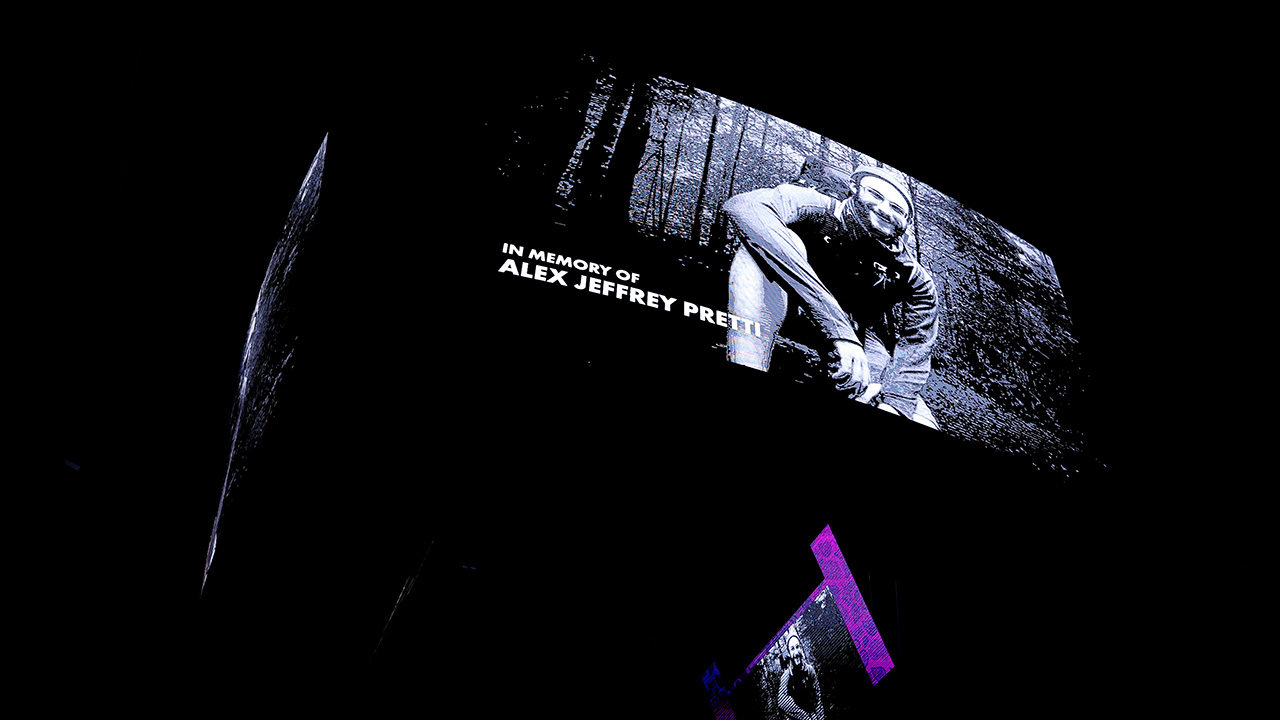
A game played under the weight of a city’s grief
The Minnesota Timberwolves and Golden State Warriors played in Minneapolis under heavy emotional strain after a recent postponement linked to the fatal shooting of Alex Pretti, a 37-year-old local resident, by a federal officer. The atmosphere around the arena reflected a city grappling with shock and anger as protests and public demands for accountability intensified.
Coaches and players acknowledged the difficulty of competing while the community mourned. The teams held tributes, and the broader sports world added its voice, with athletes and fans signaling solidarity and support for calls to address the underlying issues that contributed to the crisis.
Sports, community, and public pressure collide
The shooting occurred in the context of a wider immigration enforcement crackdown that has sparked clashes, protests, and political disputes in Minnesota. With the situation still evolving, the game became a public moment where civic tension intersected with a high-profile sporting event—turning the arena into a space not just for competition, but for communal processing and public expression.
The NBA Players Association issued a statement in support of demonstrators, and tributes echoed across other sports in the region. Teams and local leaders also urged de-escalation and cooperation among officials, reflecting concern that continued conflict could worsen both safety risks and social polarization.
What remains after the final buzzer
For players, the challenge was balancing professionalism with empathy, acknowledging that fans and families in the stands were living through events larger than the scoreboard. For Minneapolis, the return to play did not signal a return to normal. Instead, it highlighted how quickly national policy disputes and enforcement controversies can reshape daily life—reaching into schools, workplaces, and even major-league sports.
As investigations and legal fights continue, local teams are likely to face ongoing questions about how they support their communities in moments of public trauma. The league and its players, meanwhile, appear poised to remain involved, at least rhetorically, as the city navigates the aftermath and seeks answers.