SpaceX adds more Starlink capacity with California launch as satellite broadband expansion continues
SpaceX launched another batch of Starlink satellites from Vandenberg Space Force Base, continuing the rapid buildout of its broadband constellation. The mission highlights the company’s sustained launch cadence and the operational reuse of Falcon 9 boosters.
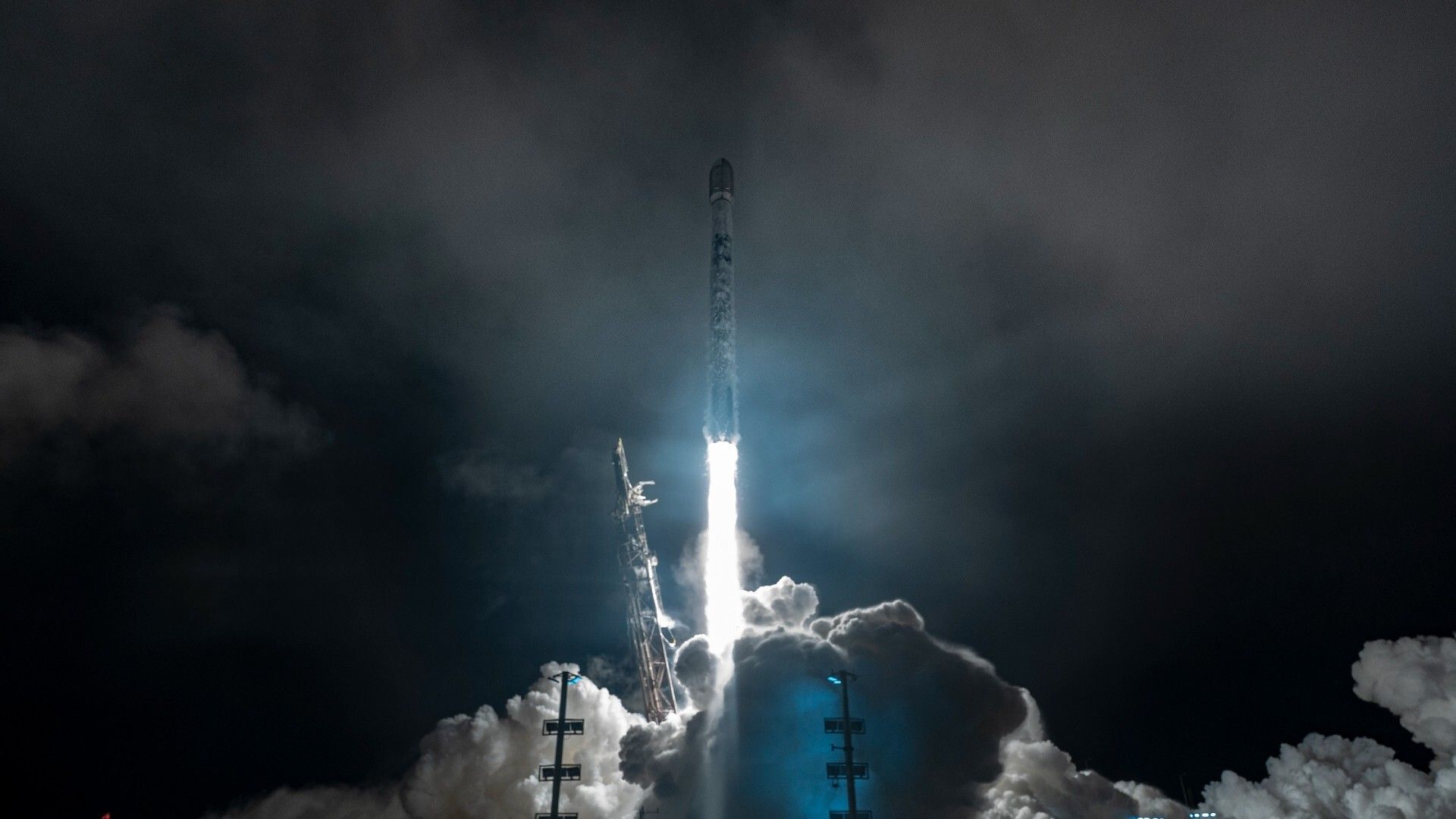
SpaceX expanded its Starlink broadband constellation with another Falcon 9 launch from California, underscoring how routinely the company is now adding capacity to its satellite internet network. The mission lifted off from Vandenberg Space Force Base and deployed a new batch of Starlink satellites into orbit, continuing a steady pace of launches that has become central to SpaceX’s strategy for global connectivity.
The launch also highlighted one of the program’s defining features: booster reuse. SpaceX has increasingly relied on flight-proven first stages, aiming to reduce cost and speed turnaround time between missions. For Starlink, that approach matters because the constellation is large and requires frequent replenishment and expansion to improve coverage, reduce congestion, and add bandwidth in high-demand regions.
Starlink’s rapid growth has reshaped how consumers and businesses think about internet access in hard-to-serve areas, from rural communities to disaster recovery zones. It has also created new policy debates about spectrum, orbital congestion, and the responsibilities of operators as the number of satellites in low Earth orbit climbs. Each incremental launch therefore lands not only as a technology milestone, but as part of a broader conversation about how space infrastructure is governed.
In practical terms, new satellites can help improve service quality, particularly where demand has surged and networks can become crowded. SpaceX has been rolling out newer generations and variants designed to increase throughput, and each successful deployment provides additional flexibility for routing traffic and maintaining service during outages or in regions where terrestrial networks are limited.
Vandenberg has become a key hub for polar and sun-synchronous launches, enabling SpaceX to place Starlink satellites into orbits suited for broader geographic coverage. The site’s cadence also reflects operational maturity: repeated launches, routine landing attempts, and a growing ability to manage complex schedules across multiple launch pads.
The Starlink project continues to sit at the intersection of commercial ambition and public scrutiny. Supporters point to resilience and access, especially during emergencies. Critics raise concerns about sky brightness for astronomy, debris risk, and the cumulative effect of mega-constellations. SpaceX, for its part, has said it continues to iterate on satellite design and operations to address those concerns while pressing forward with expansion.
With each new mission, the constellation becomes incrementally more capable—and the pace of launches signals that satellite broadband is no longer experimental. It is becoming a durable piece of communications infrastructure, built launch by launch, as SpaceX pushes to scale a network that aims to compete with traditional internet delivery methods worldwide.