Georgia-led push for a data center moratorium spotlights the hidden costs of the AI boom
As AI data centers multiply across the U.S., Georgia is at the center of a new backlash: lawmakers are considering a statewide pause on new facilities while regulators and communities debate energy demand, water use, and rising utility bills. The fight signals a shift in tech politics from software to physical infrastructure.
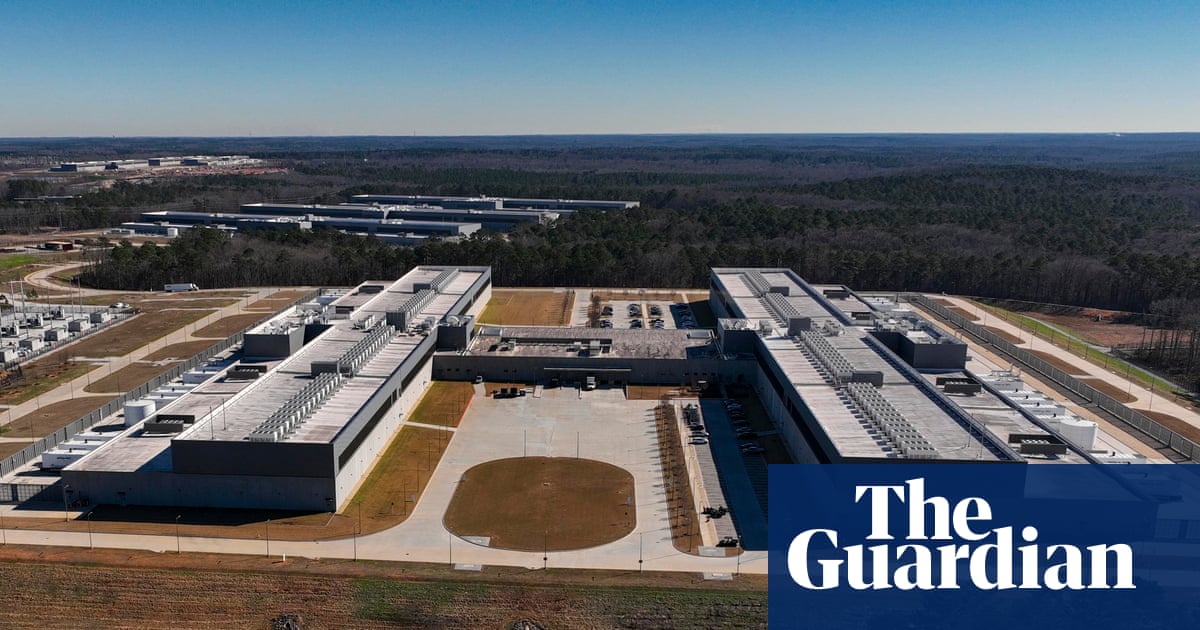
The next battleground over artificial intelligence may not be a new model release or a Silicon Valley merger—it may be the power grid. On January 26, 2026, The Guardian reported that Georgia is leading a growing push among U.S. states considering statewide moratoriums on new data centers, the energy- and water-hungry facilities that underpin the country’s AI surge. ([theguardian.com](https://www.theguardian.com/technology/2026/jan/26/georgia-datacenters-ai-ban?utm_source=openai))
At the center of the debate is a proposed Georgia bill, HB 1012, introduced by Democratic legislator Ruwa Romman with bipartisan support. The measure would pause new data center development through March 2027, giving local governments time to craft clearer rules for permitting, taxation, and resource use. Supporters say the goal is to prevent communities from being locked into long-term infrastructure burdens without adequate oversight. ([theguardian.com](https://www.theguardian.com/technology/2026/jan/26/georgia-datacenters-ai-ban?utm_source=openai))
The push follows decisions by Georgia’s Public Service Commission to approve large-scale power expansion plans, with data center demand cited as a key driver. Critics argue that generous incentives for data centers can socialize costs—higher utility bills, stress on transmission upgrades, and heavy water use—while benefits like jobs and tax revenue may be more limited or unevenly distributed than advertised. ([theguardian.com](https://www.theguardian.com/technology/2026/jan/26/georgia-datacenters-ai-ban?utm_source=openai))
Political dynamics are accelerating the story. The Guardian described how opposition has grown among residents and lawmakers, turning data center expansion into a consumer-cost and accountability issue. That makes data centers a rare tech topic that is both highly local—zoning, water, land—and deeply national, because AI development depends on compute capacity that must exist somewhere. ([theguardian.com](https://www.theguardian.com/technology/2026/jan/26/georgia-datacenters-ai-ban?utm_source=openai))
Even if the Georgia proposal does not become a template everywhere, the underlying shift is clear: the AI boom is forcing states to regulate physical infrastructure—electricity, cooling, and land use—rather than only digital products. The outcome will shape not just where AI firms build, but how quickly the next wave of compute can come online in the United States. ([theguardian.com](https://www.theguardian.com/technology/2026/jan/26/georgia-datacenters-ai-ban?utm_source=openai))