Nvidia invests $2B in CoreWeave as AI data-center buildout accelerates; EU scrutiny of X over deepfakes grows
A new round of tech headlines underscores two forces shaping 2026: the race to secure computing infrastructure for AI, and rising regulatory pressure on platforms to control AI-generated harms. Nvidia’s reported $2B CoreWeave investment and Europe’s investigation tied to deepfakes on X point to both trends.
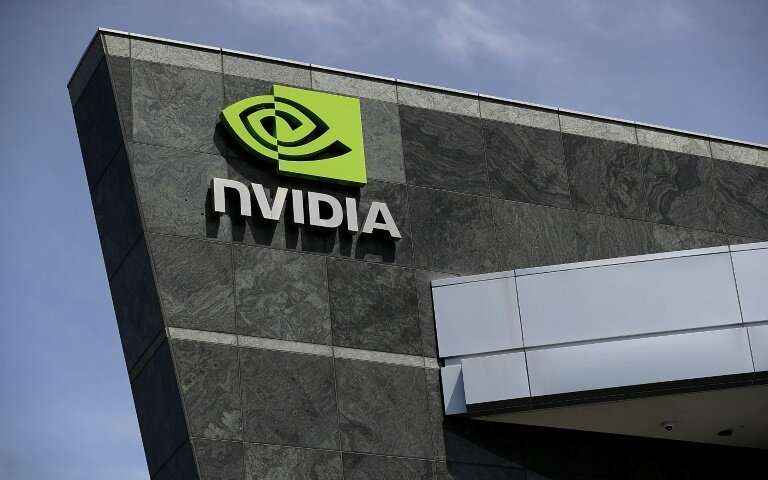
AI infrastructure and platform accountability dominate the day’s tech conversation
Technology news on January 26, 2026, reflects a market where AI is no longer just about models and apps—it is increasingly about power, data-center capacity, and how platforms manage synthetic content at scale. A roundup of major headlines points to both accelerated spending on AI infrastructure and tightening oversight around AI-driven misinformation and abuse.
Nvidia’s reported $2B bet on CoreWeave
Tech Startups reports that Nvidia invested $2 billion in AI cloud provider CoreWeave. The story frames the move as a reinforcement of Nvidia’s strategic alignment with specialized GPU cloud operators, at a time when compute availability, power access, and data-center buildout have become key bottlenecks for AI growth. The report also links the investment narrative to longer-term capacity expansion goals and the competitive positioning of so-called “neocloud” infrastructure providers.
EU probes tied to deepfakes and generative features
The same roundup also points to increased regulatory attention in Europe toward X, connected to concerns about AI-generated sexual deepfakes associated with Grok. The coverage emphasizes how regulators are shifting from treating generative AI as an optional feature to viewing it as an amplifier of existing online harms—pressuring platforms to improve detection, reporting, and enforcement mechanisms.
Why these two stories connect
Together, the headlines show a dual-track tech reality in 2026: companies are spending aggressively to secure the compute required for AI adoption, while regulators and civil society are demanding stronger guardrails and accountability for how generative systems are deployed. The result is a market where capacity, compliance, and content integrity increasingly move in tandem.
What to watch next
Investors and builders will likely focus on whether major infrastructure funding translates into reliable, scalable capacity—and whether policy enforcement actions push platforms toward standardized provenance, watermarking, and faster takedown workflows. Both directions could reshape product roadmaps, partnerships, and the cost of operating AI-enabled services.