Federal Reserve holds rates steady in first 2026 decision as inflation remains above target
The Federal Reserve left its benchmark interest rate unchanged on January 28, 2026, pausing after a series of cuts in 2025. Policymakers are weighing stubborn inflation against a softer labor market, while the broader economy continues to expand, leaving investors focused on the Fed’s next signal about the timing of future moves.
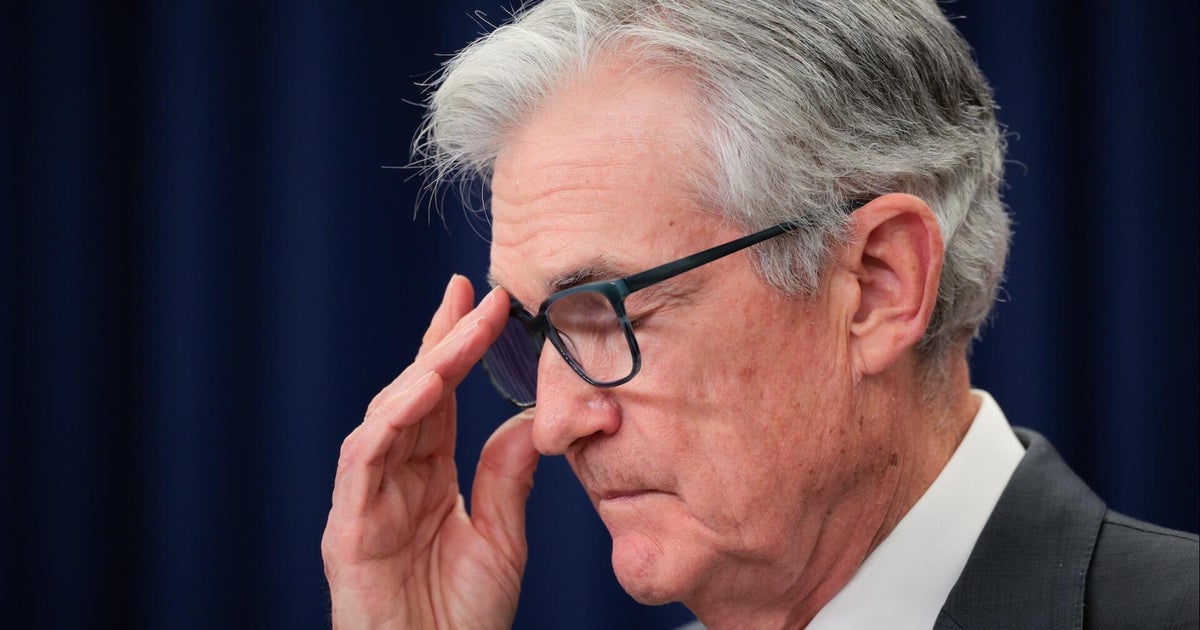
Rates unchanged on January 28, 2026
The Federal Reserve held its benchmark rate steady on January 28, 2026, keeping the federal funds rate in a range of 3.5% to 3.75%. The decision marked the central bank’s first meeting of 2026 and followed a run of rate cuts in 2025.
Economists widely expected no change at this meeting. Even so, markets treated the announcement as an important checkpoint: the Fed is trying to determine whether inflation is cooling fast enough to justify further easing, or whether it must keep policy restrictive to prevent price pressures from re-accelerating.
Why the Fed paused
The pause comes as policymakers face mixed signals. Inflation remains above the Fed’s 2% target, while parts of the labor market appear to be softening. At the same time, measures of economic activity have stayed resilient, complicating the argument for rapid additional cuts.
In its public messaging around the decision, the Fed signaled a desire to watch incoming data closely rather than commit to a preset path. Investors and consumers alike care about the outcome because the fed funds rate influences borrowing costs across mortgages, credit cards, auto loans, and business financing.
What it means for households and companies
Holding rates steady can prolong higher borrowing costs compared with the era of near-zero rates, but it can also provide stability by reducing uncertainty about rapid policy shifts. For households, the decision may translate to little immediate relief on variable-rate debts. For companies, it keeps pressure on financing conditions, especially in interest-rate-sensitive sectors such as housing, commercial real estate, and leveraged corporate borrowers.
For savers, steadier rates can help maintain relatively strong yields on certain cash products, though the real benefit depends on inflation and taxes. Meanwhile, stock and bond investors will parse the Fed’s statement for clues about whether the next move is still likely to be a cut—and how soon.
What to watch next
- Future inflation readings and whether they show clear progress toward 2%.
- Labor-market indicators that could suggest broader cooling or renewed strength.
- The Fed’s tone in upcoming communications about risks to growth versus risks to inflation.
- How financial conditions respond—especially longer-term Treasury yields and mortgage rates.
The January 28, 2026 decision leaves the economy in a holding pattern: the Fed is not tightening further, but it is also not promising additional cuts until it is more confident inflation is on a sustainable path downward.