International health officials to assess whether U.S. could lose measles elimination status
The U.S. is facing scrutiny over whether sustained measles transmission could cost it a key public-health milestone. Experts say the outcome may be symbolic, but the underlying issue is practical: outbreaks are spreading in conditions shaped by declining vaccination coverage and strained health infrastructure.
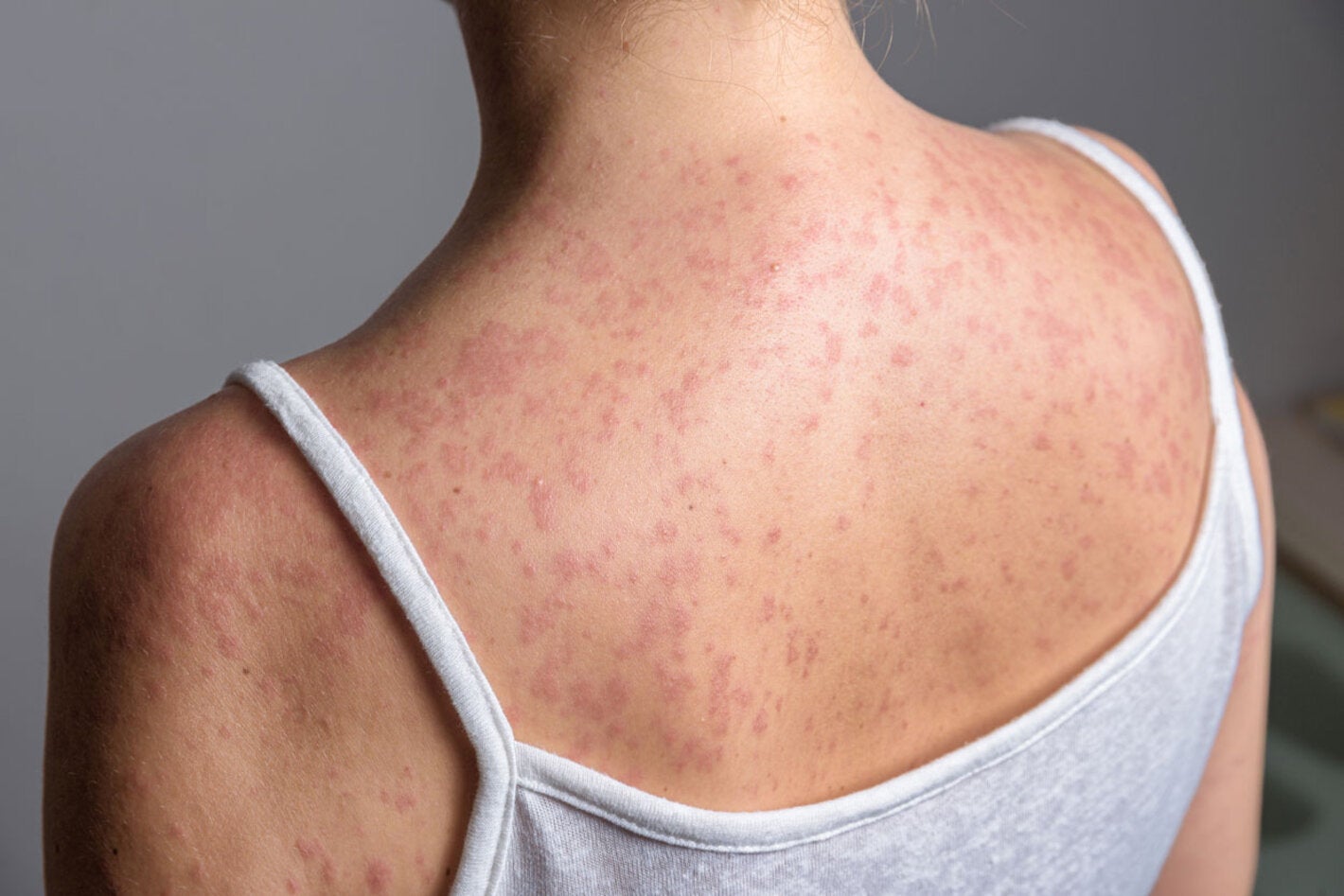
International health authorities are preparing to assess whether the United States is at risk of losing its measles elimination status, a designation earned in 2000 that depends on whether the country avoids uninterrupted domestic transmission for at least 12 months. The review comes amid ongoing outbreaks and record-high case totals compared with recent decades.
The current concern traces back to outbreaks that began in early 2025 and later appeared in multiple states. Investigators are trying to determine whether recent clusters are part of a single continuous chain or separate importations and outbreaks that happen to involve the same strain.
According to the Associated Press report, the Centers for Disease Control and Prevention confirmed 2,242 measles cases across 44 states last year and nearly 50 outbreaks—numbers that alarm epidemiologists because they suggest gaps in vaccination coverage and public health capacity. Experts emphasize that measles spreads most easily when a community has pockets of low immunization rates.
The Pan American Health Organization is expected to make a determination at an April 13 meeting. While some specialists describe the debate as partly semantic, others note that losing elimination status would be a stark signal to policymakers and the public that the virus has regained a foothold.
Public health teams also face operational strain. Contact tracing measles cases can be costly and labor intensive, and officials say reduced investment in public health has made it harder to do the kind of case tracking that previously kept outbreaks smaller and shorter.
Regardless of the formal decision, experts say the remedy is clear: rebuild vaccination coverage, improve outreach, and strengthen surveillance so outbreaks can be detected and contained early. Without that, measles can continue to spread—and it can also signal vulnerability to other vaccine-preventable diseases.