South Carolina measles outbreak reaches 789 cases, raising concern about U.S. elimination status
South Carolina’s measles outbreak has grown to 789 confirmed cases, surpassing the size of Texas’ 2025 outbreak and becoming the largest U.S. outbreak since measles was declared eliminated nationally. Officials say the outbreak remains concentrated in Spartanburg County, with hospitalizations reported and ongoing risk for spread where vaccination rates are low.
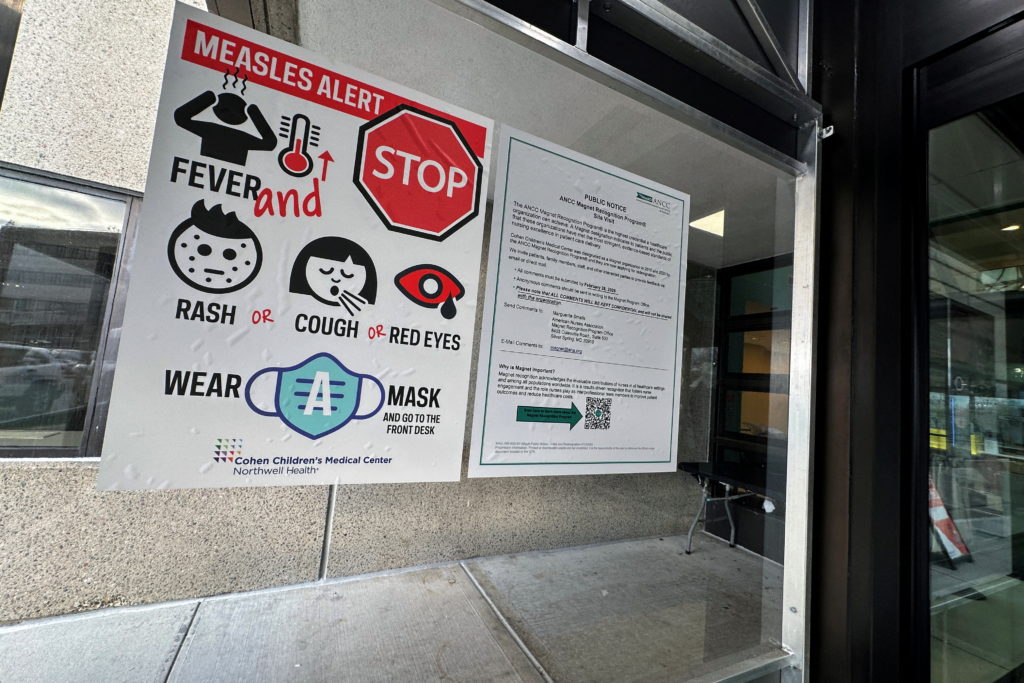
Outbreak grows to 789 cases
South Carolina health officials reported that the state’s measles outbreak has climbed to 789 confirmed cases as of the latest update referenced on January 28, 2026. The outbreak, centered in Spartanburg County in the Upstate region, has accelerated sharply over the past month and continues to show signs of ongoing community transmission.
The case count now exceeds the recorded number from Texas’ 2025 measles outbreak, which ended after reaching 762 cases. Public health experts have warned that large, sustained outbreaks can threaten the United States’ measles elimination status, which depends on preventing continuous endemic spread.
Hospitalizations and spread risk
Officials said at least 18 people have been hospitalized in South Carolina’s outbreak. Measles is highly contagious and can lead to serious complications, especially among unvaccinated children, infants too young to be vaccinated, and people with weakened immune systems.
The outbreak’s persistence suggests that measles is finding pockets of susceptibility—often communities with lower vaccination coverage or clusters of unvaccinated individuals. Public exposure locations and ongoing quarantine reports underscore how quickly measles can move through schools, households, and public settings.
How measles spreads and why immunity matters
Measles spreads through the air when an infected person breathes, coughs, or sneezes. The virus can linger in the air after a contagious person has left a room, meaning exposure can occur without direct contact. People can also transmit measles before they realize they are sick, because they are contagious before the rash appears.
Vaccination with the MMR (measles, mumps, rubella) vaccine remains the primary protection. High vaccination coverage not only protects individuals but also helps reduce the chance that measles can sustain itself in a community by limiting chains of transmission.
National context
Federal data cited in reporting indicated hundreds of measles cases nationwide so far in 2026, with outbreaks also ongoing in other areas. Public health agencies continue to monitor cross-state spread and encourage vaccination, particularly in communities linked to known transmission chains.
What health officials are urging
- Check vaccination status and get MMR shots if not fully immunized.
- Follow quarantine and exposure guidance from local health departments.
- Seek medical advice promptly if symptoms appear after a known exposure.
- Limit contact with vulnerable people if measles exposure is suspected.
With the outbreak at 789 cases and still expanding, South Carolina’s surge is now a national reference point for how quickly measles can return when immunity gaps persist—raising pressure on public health systems to contain spread and restore higher vaccination coverage.