NIH to stop funding research using fetal tissue from elective abortions, scientists warn of setbacks
The NIH announced it will halt funding for studies using fetal tissue from elective abortions, a move applauded by antiabortion groups and criticized by researchers who say alternatives can’t fully replace human developmental tissue in key fields.
What changed
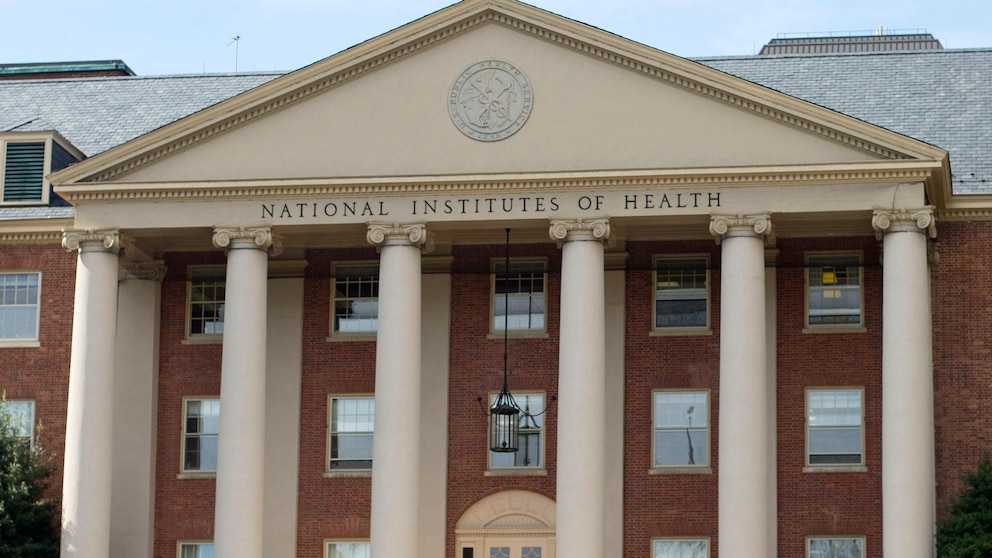
The National Institutes of Health said it will stop funding research that uses human fetal tissue obtained through elective abortions, shifting its emphasis toward alternative research models and methods.
Supporters argue the policy aligns federal research with ethical concerns; opponents say the decision threatens the pace and rigor of biomedical work that still relies on fetal tissue for validation and discovery.
Why researchers say it matters
Scientists warned that lab-grown models (including organoids) are promising but may not fully replicate the complexity of developing human tissue, and that losing federal support could slow progress in areas such as neuroscience and developmental biology.
What to watch next
- How ongoing projects transition to new funding or redesigned methods
- Whether Congress weighs in through appropriations language
- How NIH defines and accelerates ‘alternative’ platforms for federally funded research