31,000 Kaiser Permanente health care workers strike in California and Hawaii over staffing and pay
Tens of thousands of Kaiser Permanente health care workers walked off the job in California and Hawaii in an open-ended strike, with unions citing staffing levels, compensation and patient care delays. The action adds to wider labor pressure across the health sector as hospitals and systems face recruitment and retention strains.
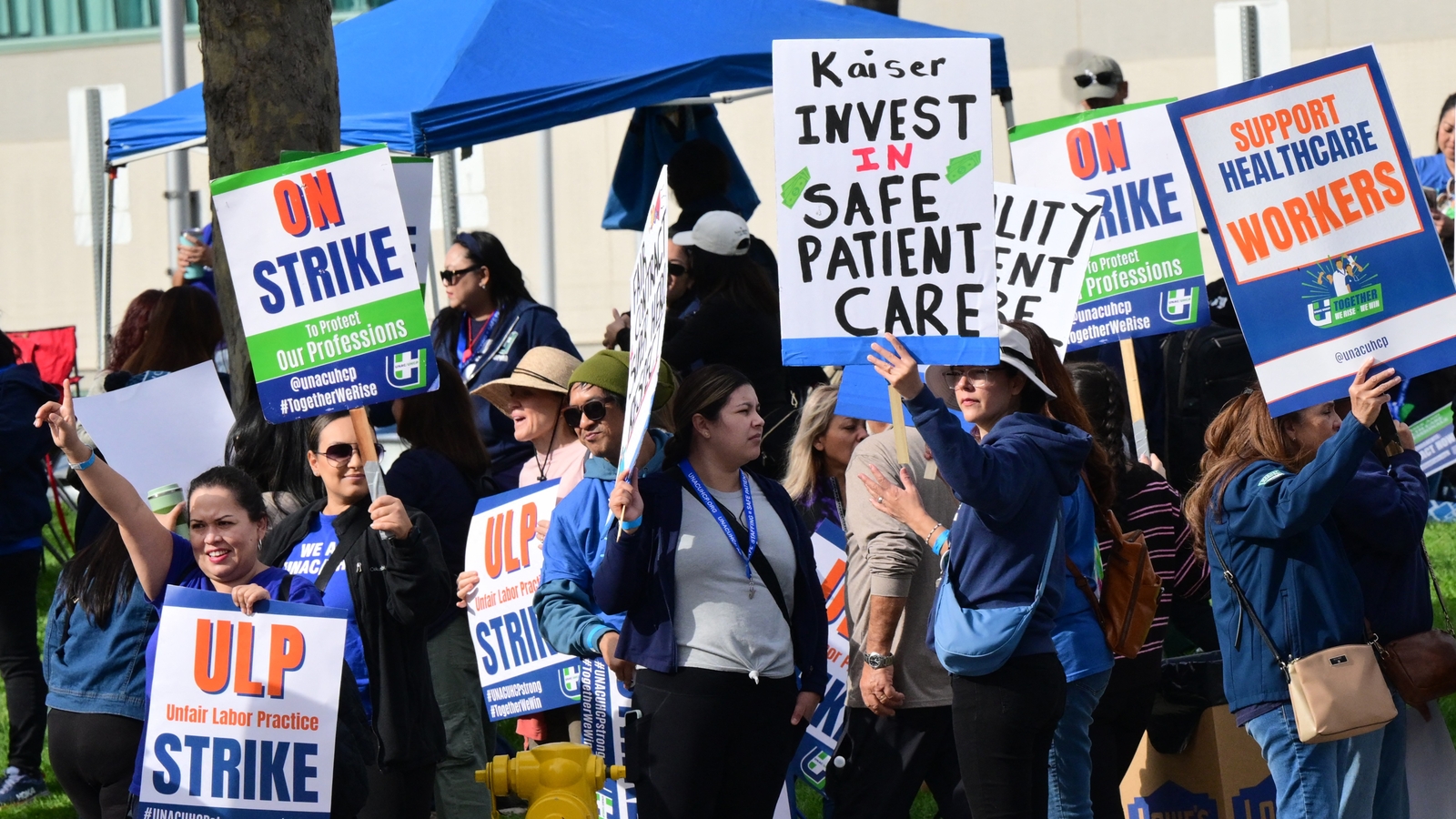
Roughly 31,000 Kaiser Permanente health care workers across California and Hawaii went on strike on Monday, with ABC7 Los Angeles reporting the walkout began at 7 a.m. and is expected to continue until an agreement is reached. The strike includes a wide range of clinical professionals, from registered nurses to pharmacists, physician assistants and nurse practitioners. ([abc7.com](https://abc7.com/post/31000-kaiser-permanente-health-care-workers-california-hawaii-go-strike/18478125/))
What workers say they are fighting for
Union leaders said the dispute centers on safe staffing levels, fair compensation and timely care for patients, arguing that Kaiser has not met expectations at the bargaining table. Picket lines formed outside multiple facilities, including in the Los Angeles area, as workers sought to increase pressure on management. ([abc7.com](https://abc7.com/post/31000-kaiser-permanente-health-care-workers-california-hawaii-go-strike/18478125/))
Who is participating
ABC7 said the strike covers members of the United Nurses Associations of California/Union of Health Care Professionals. The reported scope spans frontline and specialized roles, reflecting how contract fights in health care often extend beyond bedside nursing into pharmacy, advanced practice, and allied health positions that are essential for throughput and patient access. ([abc7.com](https://abc7.com/post/31000-kaiser-permanente-health-care-workers-california-hawaii-go-strike/18478125/))
Why it matters for patients
Large-scale health care strikes can force systems to rely on contingency staffing and reschedule non-emergency care, potentially worsening backlogs. For workers, staffing and workload are often framed as patient-safety issues, not just labor issues—an argument increasingly central to contract negotiations across U.S. health systems. ([abc7.com](https://abc7.com/post/31000-kaiser-permanente-health-care-workers-california-hawaii-go-strike/18478125/))
As the strike continues, the key questions are how quickly negotiations resume in a meaningful way, whether Kaiser adjusts staffing or compensation proposals, and how long it takes to restore normal operations once a deal is reached. ([abc7.com](https://abc7.com/post/31000-kaiser-permanente-health-care-workers-california-hawaii-go-strike/18478125/))