After major winter storm, officials warn snow shoveling can sharply raise heart attack and stroke risk
Public health officials say digging out after a major storm can be dangerously strenuous, especially for older adults and people with cardiovascular risk factors. Cold temperatures constrict blood vessels while heavy exertion spikes blood pressure and heart rate, creating conditions linked to cardiac events.
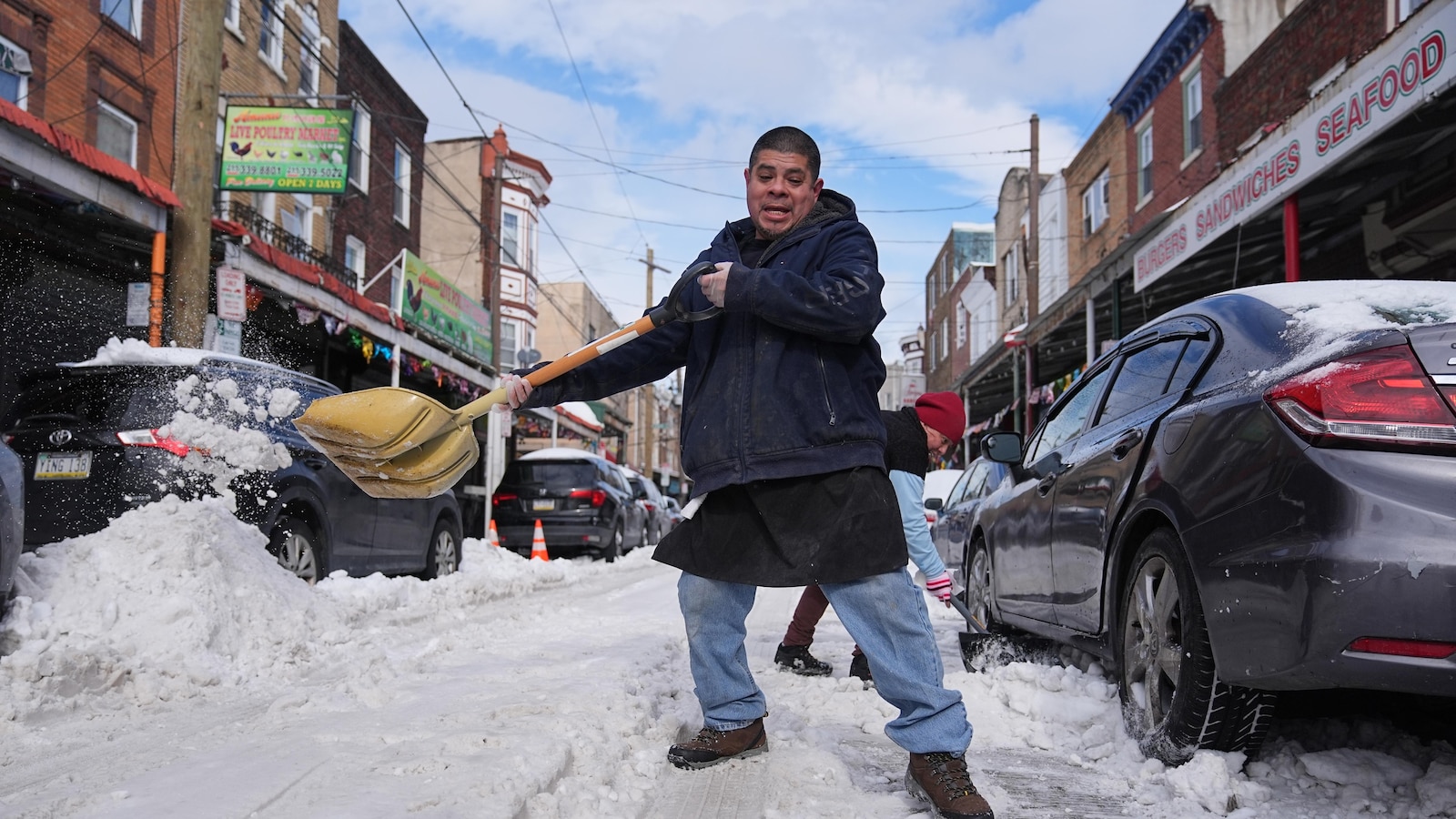
Health officials are warning that shoveling snow after a massive winter storm can put dangerous stress on the heart. The problem is the combination of heavy exertion—often sudden and unaccustomed—and bitter cold. Even short bouts of shoveling can make the heart work like it does during intense exercise, while cold air constricts blood vessels, driving blood pressure higher and increasing the likelihood of heart attack, stroke, or cardiac arrest. ([abcnews.go.com](https://abcnews.go.com/Health/wireStory/shoveling-snow-exertion-cold-temps-raise-heart-risks-129577902?utm_source=openai))
In Pennsylvania, officials reported several snow-removal-related deaths following the storm, highlighting that the risk is not theoretical. The reports cited victims ranging in age from 60 to 84, with local officials urging people to slow down, take frequent breaks and avoid overexertion. Fatal cardiac events during snow removal are a recurring winter pattern because storms can push people into strenuous activity they might not otherwise do. ([abcnews.go.com](https://abcnews.go.com/Health/wireStory/shoveling-snow-exertion-cold-temps-raise-heart-risks-129577902?utm_source=openai))
The American Heart Association notes that snow shoveling is especially risky for people with known heart disease, previous heart attacks, and common risk factors such as high blood pressure or high cholesterol. But officials emphasize that even people who believe they are healthy can run into trouble when intense lifting is paired with cold exposure—particularly if they have been mostly sedentary before the storm arrived. ([abcnews.go.com](https://abcnews.go.com/Health/wireStory/shoveling-snow-exertion-cold-temps-raise-heart-risks-129577902?utm_source=openai))
Experts recommend practical adjustments for those who must clear snow: go slowly, pace yourself, and whenever possible push the snow rather than lifting and throwing it. The message is to treat shoveling like strenuous exercise—something that should be approached with preparation, controlled intensity and attention to warning signs such as chest discomfort, shortness of breath, dizziness, or unusual fatigue. ([abcnews.go.com](https://abcnews.go.com/Health/wireStory/shoveling-snow-exertion-cold-temps-raise-heart-risks-129577902?utm_source=openai))
The warning lands as severe cold lingers in parts of the U.S., when people are also facing other winter risks such as slips and falls, hypothermia, and delayed emergency response times due to icy roads. Health agencies stress that safety planning—checking on neighbors, keeping paths clear with minimal strain, and using mechanical help when available—can reduce the chance that storm cleanup turns into a medical emergency.
If you are in a higher-risk group, the simplest prevention may be outsourcing: ask for help, use a snow blower with caution, or hire a service when possible. The storm may pass, but the period immediately after is often when the most injuries and cardiac events occur—right when people are eager to return to normal routines.