More than 30,000 Kaiser Permanente nurses and health professionals launch open-ended strike
Tens of thousands of Kaiser Permanente nurses and other health professionals walked off the job in California and Hawaii in an open-ended strike, escalating a labor dispute centered on staffing, wages and working conditions. Kaiser says it has contingency plans to keep facilities operating, while the union argues patient care risks are driving the walkout.
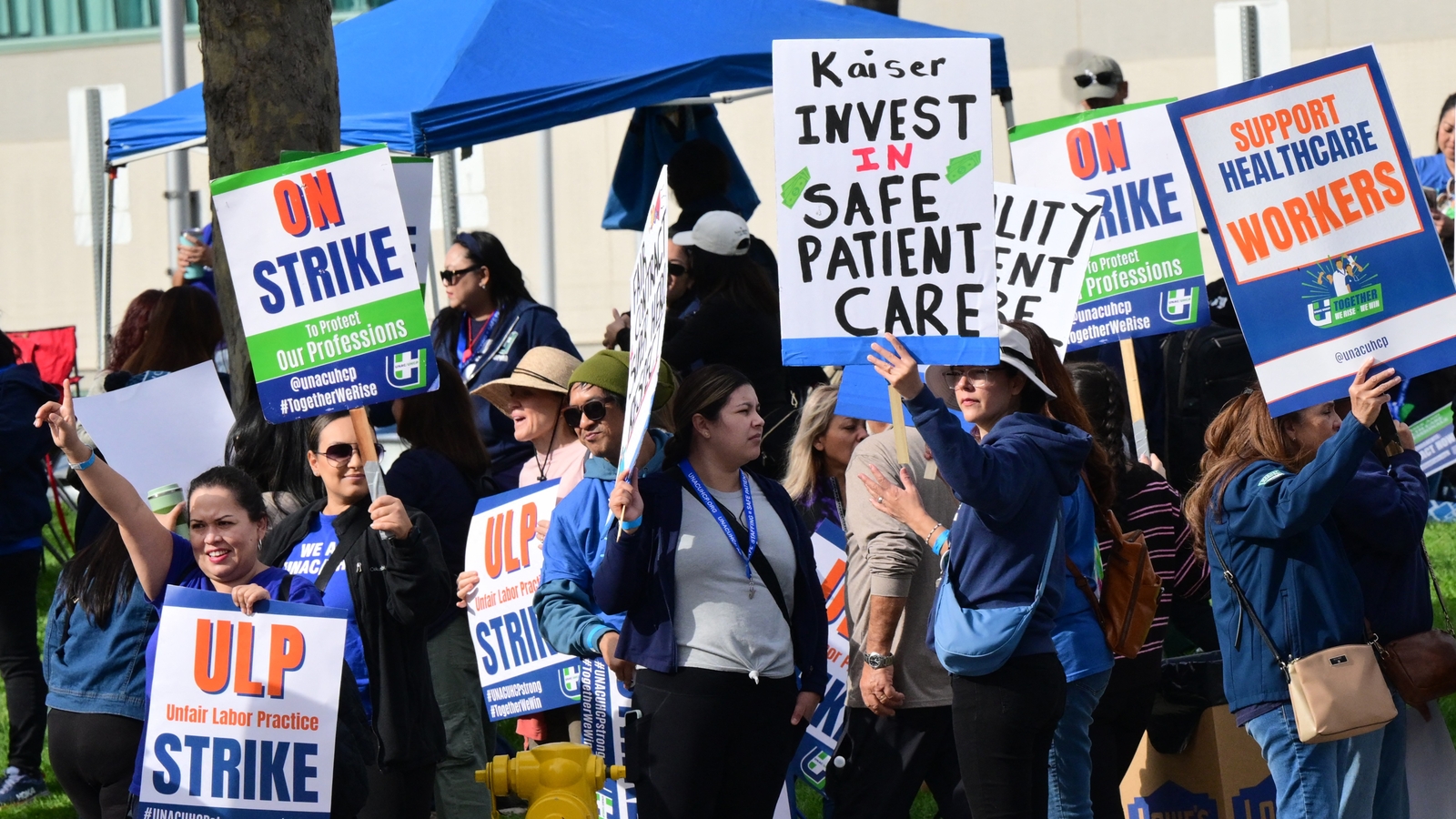
An open-ended strike by tens of thousands of Kaiser Permanente nurses and health professionals began Monday, January 26, 2026, spanning facilities across California and extending to at least one hospital in Hawaii. The walkout is one of the largest healthcare labor actions in the region in recent years and reflects continued pressure on hospital systems as workers demand changes they say are necessary to protect patient care and stabilize the workforce.
Workers represented by the United Nurses Associations of California/Union of Health Care Professionals (UNAC/UHCP) have described the dispute as centered on staffing levels, workload standards and compensation, arguing that shortages and burnout are producing delays in care and increasing the risk of mistakes. In this framing, the strike is not only about pay but about conditions that clinicians say determine whether they can safely do their jobs.
Union leadership said the walkout involves about 31,000 employees, including registered nurses and other licensed health professionals such as pharmacists, midwives, nurse anesthetists, physician assistants, therapists and dietitians. Picket lines were reported at dozens of Kaiser sites across the state, including major medical centers in Northern California, with additional actions planned across both Northern and Southern California.
The strike follows months of bargaining without a new contract, after negotiations began in 2025 and later stalled. The union has accused Kaiser of unfair labor practices and of failing to bargain in good faith, while Kaiser has disputed the union’s characterizations and has emphasized its operational planning for continuity of care. Like many healthcare labor disputes, the conflict is being fought on two fronts: contract terms at the table and public trust in the narrative about patient impact.
Kaiser has said hospitals and emergency departments would remain open and that contingency plans were in place. Such plans commonly include reassigning managers with clinical credentials, shifting some appointments to virtual visits and, in some cases, relying on temporary staff. For patients, the practical experience can vary by facility: emergency services typically continue, while elective procedures and some routine appointments are more likely to be rescheduled.
Healthcare labor actions often test the balance between immediate disruption and longer-term stability. Striking workers argue that short-term inconvenience is outweighed by the need to fix chronic understaffing and retention problems. Management typically argues that striking harms access, especially for vulnerable patients, and that operational flexibility is required to keep the system functioning.
The dispute is unfolding in a broader environment where hospitals and integrated health systems face rising labor costs, tight competition for clinicians, and patient demand patterns that have been difficult to predict. Even nonprofit systems are under pressure to manage budgets while meeting workforce expectations, creating recurring flashpoints around wages, staffing ratios and workload limits.
The strike is scheduled to continue until an agreement is reached. The key next signals will be whether bargaining accelerates, whether either side shifts its positions on staffing and compensation, and how quickly Kaiser can maintain service levels if the walkout persists for weeks rather than days.