U.S. markets hit new highs as the S&P 500 moved above 7,000 for the first time, driven by AI enthusiasm and anticipation of major tech earnings. The dollar slid to multi-year lows, while investors also reacted to reports about a potential SpaceX IPO and new Amazon layoffs.
The Federal Reserve left its benchmark interest rate unchanged on January 28, 2026, pausing after a series of cuts in 2025. Policymakers are weighing stubborn inflation against a softer labor market, while the broader economy continues to expand, leaving investors focused on the Fed’s next signal about the timing of future moves.
U.S. stocks climbed with the S&P 500 breaking above 7,000 for the first time, powered by AI optimism and expectations of strong Big Tech earnings. But the rally arrived alongside uneasy signals: investors awaited the Federal Reserve’s interest-rate decision, and major employers continued to announce layoffs tied to restructuring and efficiency drives. The mixed picture underscores a central theme of early 2026 markets—strong growth narratives coexisting with cost-cutting, shifting hiring plans, and heightened sensitivity to policy guidance.
General Motors reported a fourth-quarter performance that beat key expectations on an adjusted basis, raised its dividend and authorized a new $6 billion share repurchase. The automaker also issued 2026 profit guidance that suggested another strong year, even as it recorded a large quarterly loss tied to major charges and restructuring around its EV strategy.
President Donald Trump scrapped a threatened tariff package aimed at pressuring European allies over Greenland after announcing a NATO “framework” for future Arctic security discussions. The reversal reduced immediate trade-war fears but left big questions about Greenland, missile defense ambitions and alliance cohesion unanswered.
UnitedHealth shares tumbled after the company forecast 2026 revenue below analyst expectations, intensifying a broader selloff in health insurers triggered by a proposed near-flat Medicare Advantage rate update for 2027. The result underscores how policy signals, medical-cost trends and regulatory scrutiny are converging to reshape investor views of the industry.
General Motors reported a quarterly net loss driven by large EV-related charges but raised shareholder returns with a new $6 billion buyback and a higher dividend, while forecasting stronger operating profit in 2026 as trucks and SUVs continue to anchor its cash generation.
U.S. markets weighed mixed quarterly earnings results, with the VIX rising and several big-name companies posting results that beat or missed expectations, moving shares sharply.
U.S. markets start a pivotal week with investors focused on the Federal Reserve’s next rate decision and a slate of major company earnings. Uncertainty around geopolitics, trade threats, and growth expectations is pushing some investors toward perceived safe havens, helping lift gold to new highs while stocks trade cautiously.
The Trump administration is backing USA Rare Earth with a proposed $1.6 billion package tied to a domestic rare-earth mine and magnet manufacturing push. The deal includes federal funding, a large loan and an equity component as the U.S. tries to reduce dependence on China.
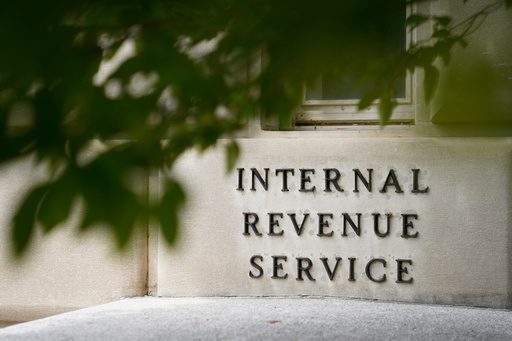
The U.S. Treasury Department terminated its contracts with Booz Allen Hamilton, citing inadequate safeguards after a former contractor leaked taxpayer information in a case involving Trump’s tax returns. Investors sold the stock amid broader scrutiny of federal contractors and spending cuts.
The Trump administration is backing USA Rare Earth with federal funding and a large loan package, taking an equity stake as Washington ramps up efforts to reduce reliance on Chinese rare earth supply chains.