Wall Street slides as Trump tariff threat tied to Greenland dispute rattles markets
U.S. stocks fell sharply after Trump threatened new tariffs on imports from eight European countries, intensifying fears of renewed trade conflict. Tech shares helped lead the decline as investors sought safe havens like gold and silver.
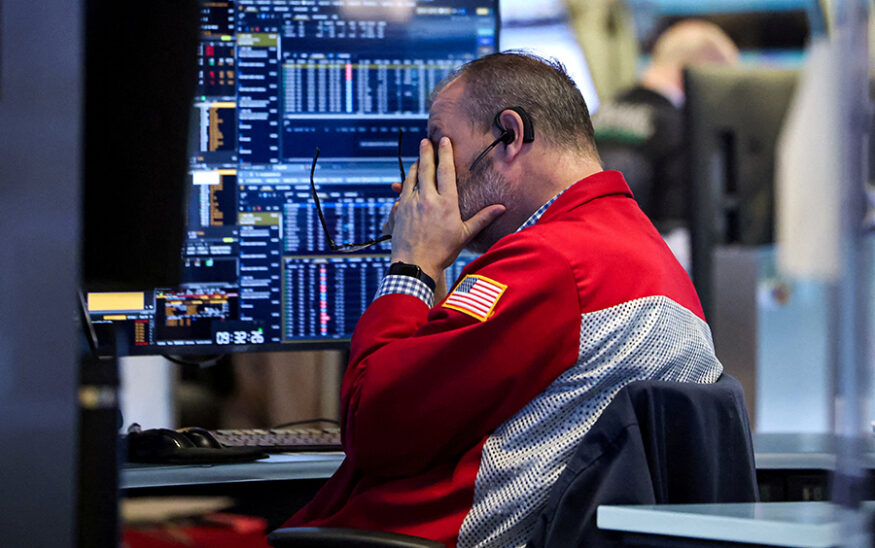
U.S. markets dropped in a broad selloff after President Donald Trump threatened new tariffs connected to the dispute over Greenland, raising fears that trade policy is becoming a tool of geopolitical coercion with immediate economic fallout. The move pressured nearly every sector and revived concerns of a tit-for-tat response from Europe.
The S&P 500 fell about 2.1%, while the Dow Jones Industrial Average and Nasdaq also posted steep losses, reflecting a risk-off shift by investors. Large technology companies were among the notable decliners, amplifying the day’s slide and reinforcing how sensitive high-growth stocks can be to policy uncertainty.
Trump said he would impose a 10% import tax beginning in February on goods from Denmark, Norway, Sweden, France, Germany, the United Kingdom, the Netherlands and Finland. The announcement landed as businesses and investors were already grappling with a choppy start to the year and questions about the durability of the economic expansion.
In the commodities market, gold and silver surged as investors sought assets typically viewed as safer in periods of political instability. The move into havens underscored fears that tariff threats could spill into broader disruptions, from supply chains to consumer prices, depending on how Europe responds.
The renewed trade uncertainty complicates the Federal Reserve’s outlook. When policy shocks threaten growth while inflation remains a risk, central bankers face a narrower path—especially if tariffs add costs for importers and, eventually, households.
Investors will be watching upcoming economic data and corporate earnings for clues about how firms are planning around a more volatile trade environment. Even before any tariff takes effect, the threat itself can delay investment, change sourcing plans, and push companies to revise forecasts.