Winter storm disruptions ripple through U.S. travel and commerce as millions face hazardous conditions
A massive winter storm sweeping across a large portion of the U.S. is disrupting travel, supply chains, and local commerce. Airlines and rail operators are canceling services while governments issue alerts and emergency declarations, adding economic strain for businesses and households.
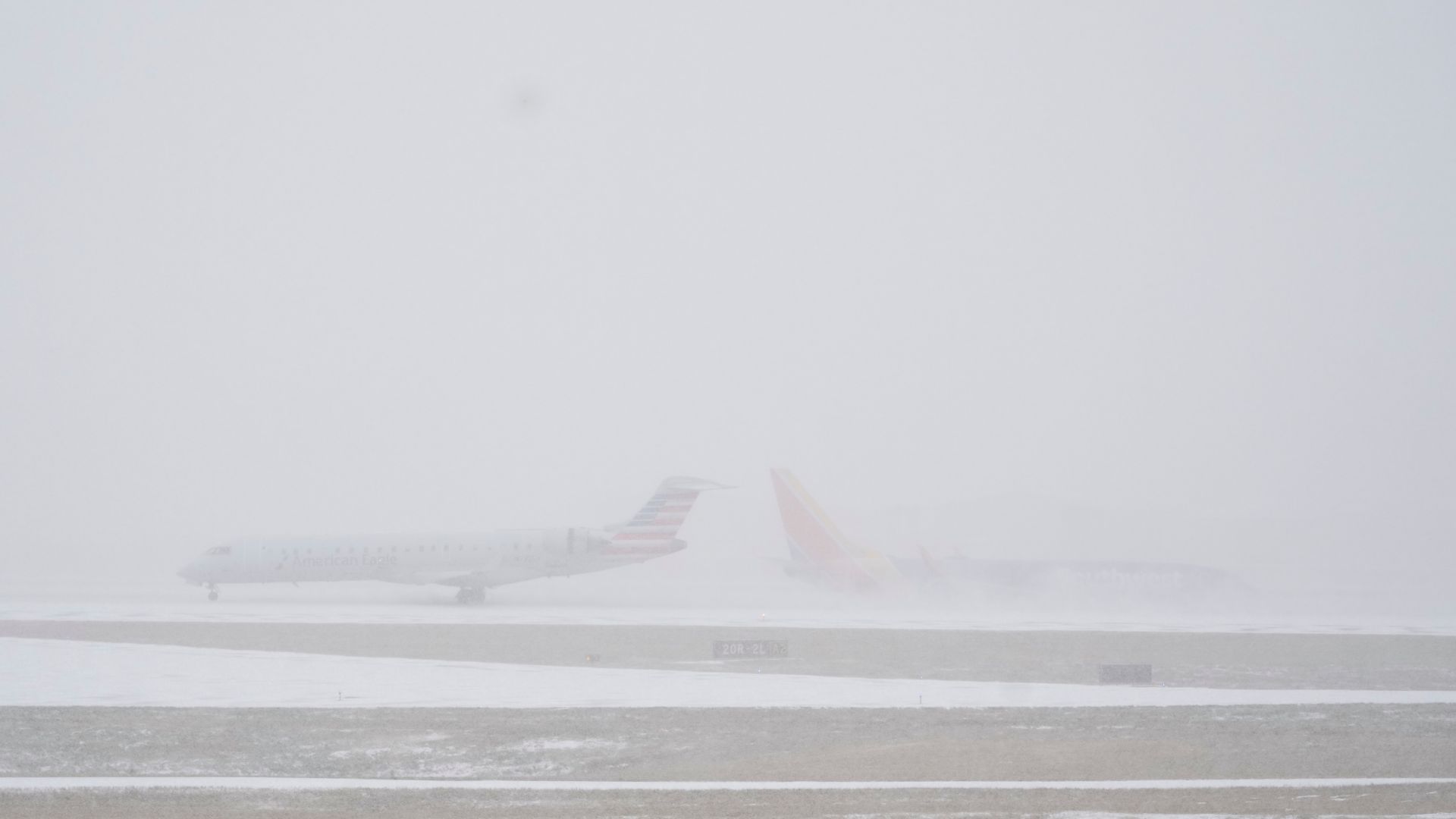
A sprawling winter storm is creating widespread disruptions across the United States, with knock-on effects that extend beyond hazardous roads and school closures into travel, retail activity, and logistics. As the system advances, airlines have canceled large numbers of flights and rail services have been reduced, complicating business travel and delaying shipments at a time when many companies are trying to stabilize post-holiday demand and replenish inventories.
The storm’s scale has forced many local governments to issue emergency alerts and prepare for prolonged impacts, including ice accumulation, power outages, and dangerous driving conditions. For businesses, the immediate consequences are straightforward: fewer customers, limited staffing, and uncertain delivery times. For consumers, the costs show up in missed work, higher travel expenses, and difficulty accessing essentials in the hardest-hit areas.
Travel disruptions are particularly economically significant because they cascade through multiple sectors at once. When flights are canceled, airlines refund tickets and rebook passengers, hotels face last-minute changes, and conference or event spending drops. When roads are impassable, freight deliveries slow and retailers face gaps on shelves, especially for time-sensitive goods. Even services like home healthcare and repairs can be delayed, increasing the burden on households.
The storm is also intersecting with high-profile scheduling and operations decisions. Sporting events and public gatherings may be adjusted, and public agencies must decide how to allocate crews for road treatment, emergency response, and power restoration. Each decision carries an economic trade-off: aggressive prevention costs money upfront, while insufficient preparation increases accident risk and prolongs interruptions.
In many places, the near-term business outlook hinges on whether the storm produces significant icing or repeated rounds of snow. Ice storms can be especially damaging, snapping trees and power lines, shutting down commerce for days, and raising insurance costs. Even in areas that avoid the worst, a single weekend of reduced activity can hit small businesses hard, particularly restaurants, local retail, and gig workers who rely on consistent customer traffic.
Beyond immediate closures, storms of this magnitude can also affect regional supply chains. Warehouses may pause operations; truck routes are rerouted; and perishable goods can spoil if power is lost or deliveries are stalled. Those disruptions can raise costs that show up later, either as higher prices or as reduced availability. Companies also face overtime expenses for recovery, equipment damage, and higher maintenance needs.
For now, the storm’s economic impact will be measured in cancellations, delays, and lost hours—plus the recovery costs that follow. Businesses and households are monitoring forecasts closely, hoping the system moves through quickly, but preparing for the possibility that winter’s most disruptive effects will linger into the workweek.