Winter Storm Fern brings costly shutdowns: airlines, retailers, and utilities brace for multi-day disruption
As Winter Storm Fern spreads, businesses face an expensive mix of canceled flights, interrupted supply routes, and higher energy demand, while consumers adjust plans and local governments expand emergency measures.
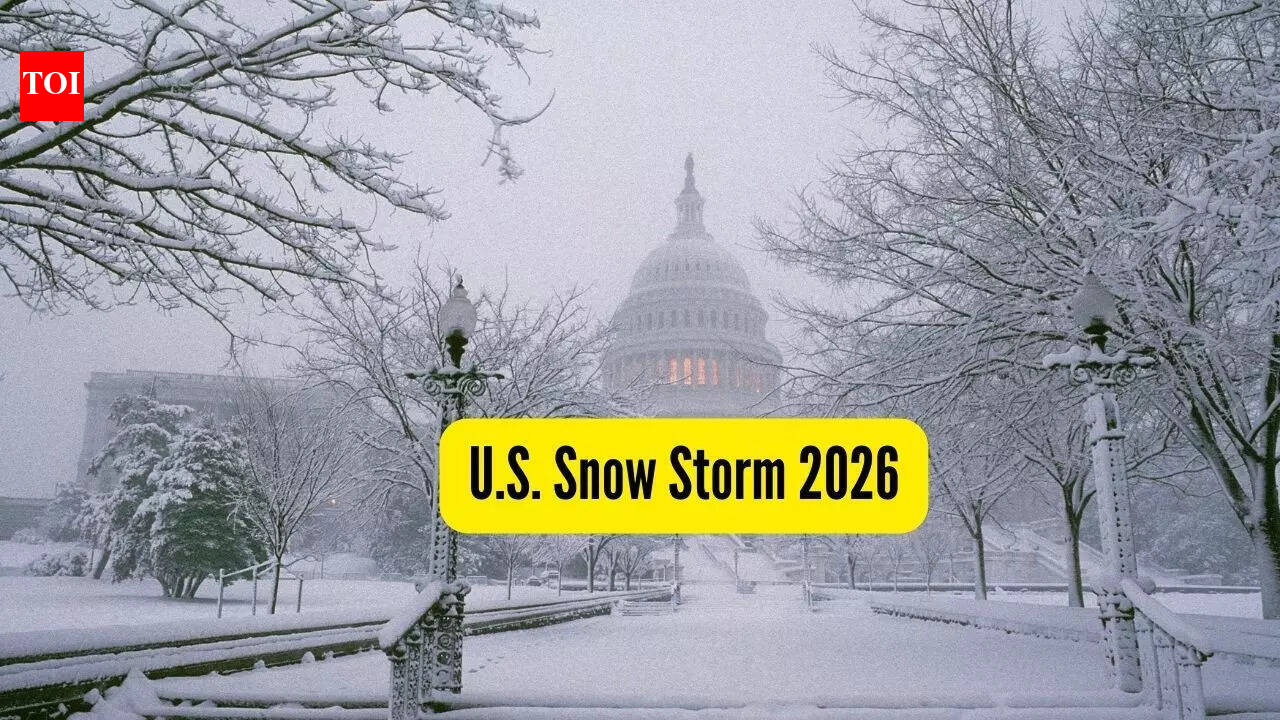
A weather event with big economic ripple effects
Winter storms tend to hit the economy in predictable ways—travel collapses, deliveries slip, and businesses pay more to keep facilities running—but Fern’s wide footprint is creating a particularly broad set of disruptions. Airlines are canceling flights at scale, road and rail networks are slowing, and employers in affected regions are weighing closures as the storm moves east and cold lingers behind it. ([timesofindia.indiatimes.com](https://timesofindia.indiatimes.com/life-style/travel/news/u-s-snow-storm-2026-mass-flight-cancellations-lead-to-travel-disruptions-emergency-declared-in-19-states-what-travellers-must-know/articleshow/127414764.cms?utm_source=openai))
For companies that rely on just-in-time deliveries, even a day or two of transport delays can create shortages that show up later on store shelves or in manufacturing schedules. Meanwhile, service businesses—restaurants, repair contractors, and in-person retailers—often see immediate revenue drops when customers stay home. Those losses are sometimes partly offset later, but the interruption is real, and it hits smaller operators hardest. ([theguardian.com](https://www.theguardian.com/us-news/2026/jan/24/winter-storm-moves-across-us?utm_source=openai))
Airlines and logistics: cancellations become the headline cost
Airlines are facing compounding costs: refunds or rebookings, crews out of position, aircraft stuck away from their next routes, and overtime for ground teams dealing with ice and de-icing constraints. As cancellations pile up, the impacts spread beyond the storm zone—because hubs and aircraft rotations connect regions that may have clear weather but still feel the downstream scheduling shock. ([timesofindia.indiatimes.com](https://timesofindia.indiatimes.com/life-style/travel/news/u-s-snow-storm-2026-mass-flight-cancellations-lead-to-travel-disruptions-emergency-declared-in-19-states-what-travellers-must-know/articleshow/127414764.cms?utm_source=openai))
Freight and last-mile delivery are also strained. Even when interstates remain open, icy stretches and crash risk slow traffic, while local road conditions can make routine neighborhood delivery unsafe. That combination can push back shipments of groceries, pharmaceuticals, and industrial parts, creating demand spikes once conditions improve. ([theguardian.com](https://www.theguardian.com/us-news/2026/jan/24/winter-storm-moves-across-us?utm_source=openai))
Utilities and energy demand: keeping the lights on is the business story
Cold snaps increase energy demand, particularly for heating, exactly when ice can damage distribution infrastructure. Utilities may need to mobilize repair crews across state lines, stage equipment, and coordinate with local governments on warming centers and critical facilities. The economic cost includes not only repair work but also lost productivity when homes and businesses lose power. ([theguardian.com](https://www.theguardian.com/world/live/2026/jan/24/winter-snow-ice-storm-weather-weekend-latest-updates?utm_source=openai))
For consumers, the “storm bill” arrives in multiple forms: higher heating costs, lost work hours, travel changes, and sometimes spoiled food during outages. Those household-level impacts collectively translate into short-term economic drag for regions under emergency declarations, with recovery depending on how quickly transport and electricity return to normal. ([theguardian.com](https://www.theguardian.com/world/live/2026/jan/24/winter-snow-ice-storm-weather-weekend-latest-updates?utm_source=openai))