Iran appears to ease a sweeping internet blackout as pressure and costs mount
Iran has begun partially restoring connectivity after one of its most extensive internet shutdowns, imposed amid escalating anti-government protests. Access remains inconsistent, with some services available in certain provinces while social platforms and many global sites stay unreachable. Analysts describe traffic patterns that suggest throttling and tiered access, signaling that authorities may be testing new control methods rather than ending restrictions outright. The blackout has also carried a heavy economic price, disrupting businesses and communications across the country as regional and international concern grows.
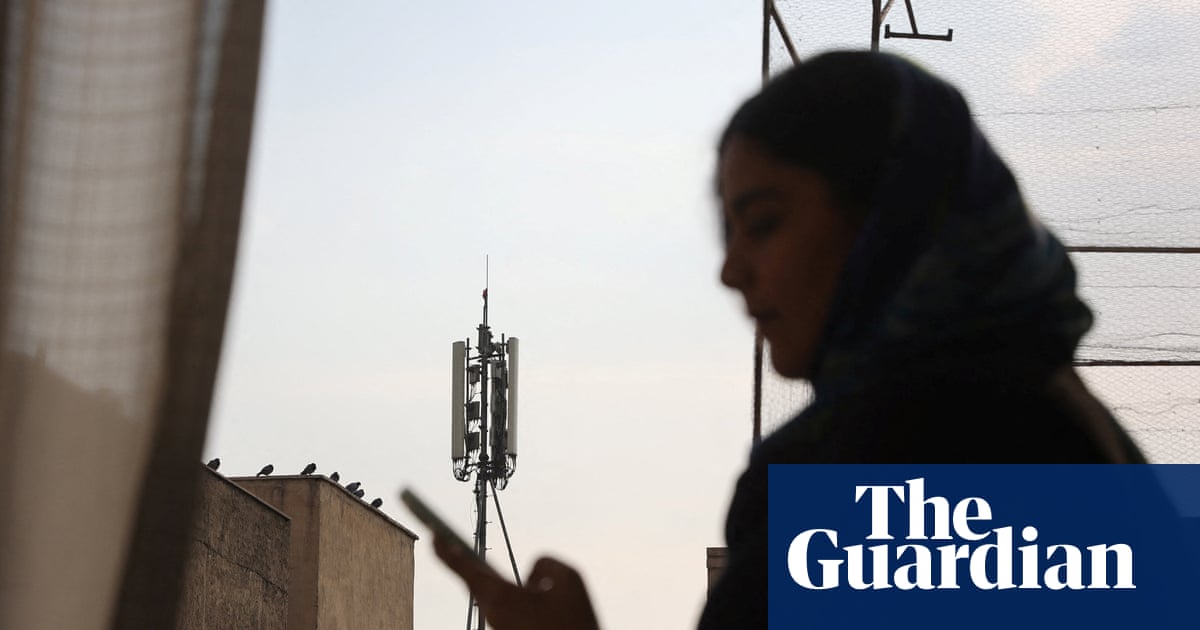
From near-total shutdown to uneven access
After nearly two weeks of sweeping restrictions, Iran has shown signs of partially easing its internet blackout. Connectivity has not returned uniformly: some provinces have intermittent access, while many users still report unstable service and blocked platforms. Observers tracking internet traffic say the pattern looks less like a full restoration and more like controlled reopening, with authorities selectively allowing some services while continuing to restrict others.
For people inside Iran, the practical effect is continued uncertainty. Basic communication can work for short periods and then fail, and the availability of specific tools or websites can vary by location. Digital rights experts describe the system as a form of throttling and selective “whitelisting,” designed to reduce the ability of protests and reporting to spread while keeping essential activity from fully collapsing.
Protests, crackdown claims, and information control
The blackout has been closely linked to protests and reports of a harsh state crackdown. With limited access to the wider internet, it has been harder for Iranians to share evidence of events, organize, or contact relatives abroad. Human rights groups have argued that internet shutdowns can provide cover for abuses by reducing real-time visibility and making independent verification more difficult.
Iran’s approach also reflects a broader global pattern: governments have increasingly treated internet access as a controllable lever during moments of political instability. In Iran’s case, the scale and duration of the restrictions have drawn particular attention because they combined outages, throttling, and selective service access rather than a single, simple on-off switch.
Economic fallout and business disruption
Beyond the political and human impact, the shutdown has been costly economically. Businesses that rely on online payments, logistics coordination, customer support, and marketing have struggled to operate, and even firms with limited connectivity report that access can be monitored, time-restricted, or unreliable. Iranian officials have acknowledged major daily losses associated with prolonged disruption, highlighting the tension between maintaining control and keeping commerce functioning.
As connectivity returns in fragments, companies face a difficult transition: restarting operations requires stable networks, but many still lack predictable access. The uneven return also creates a “two-speed” economy, where a subset of users may briefly regain tools that others cannot, depending on location or the services being permitted.
What to watch
The key question now is whether Iran will fully restore open internet access or formalize a longer-term model of tiered connectivity. The current pattern suggests experimentation with refined filtering and throttling, and the next steps may determine whether the easing is temporary, tactical, or the start of a broader shift in how Iran manages access during crises.