Odesa faces sustained strikes as Russia shifts pressure back toward the Black Sea
Odesa has come under repeated missile and drone attacks as the war’s focus pivots toward Ukraine’s Black Sea region. The renewed pressure highlights the strategic importance of maritime routes and port infrastructure even as front-line dynamics shift elsewhere.
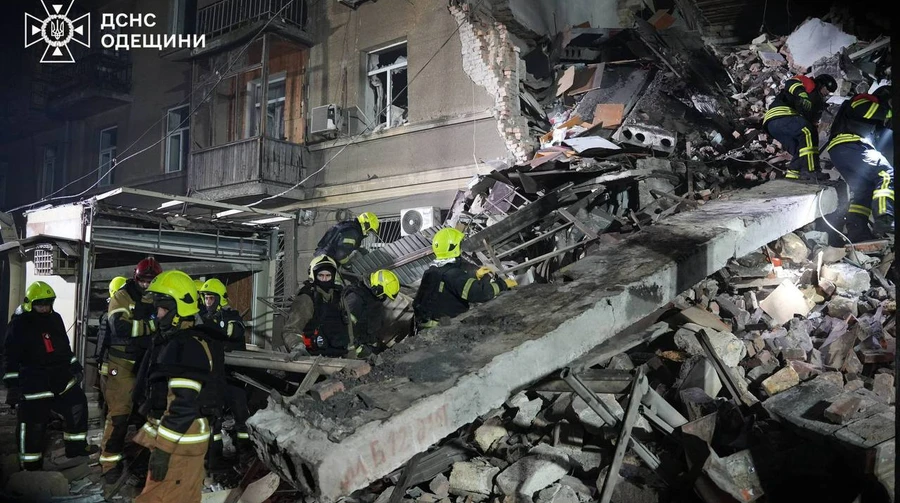
Ukraine’s southern port city of Odesa is facing repeated attacks as Russia increases pressure in the Black Sea theater, a shift that underscores the region’s strategic value for trade routes, logistics, and military positioning. With direct access to key maritime corridors, Odesa remains a critical node in Ukraine’s economy and its ability to move goods even amid wartime disruption.
Reports describe strikes arriving day after day, with drones and missiles used to hit targets in and around the city. While officials and residents have periodically adapted to air-raid alarms and damage assessments, the tempo of attacks has kept the port region under sustained stress. The renewed focus on Odesa suggests Moscow is seeking leverage by targeting infrastructure and undermining Ukraine’s coastal resilience.
The Black Sea has been a central battleground since the full-scale invasion, but the balance of threats has varied over time. A shift back to intensified strikes on Odesa signals that Russia may be pursuing a strategy of long-range pressure where direct access is constrained. Unable to seize the port outright, an alternative approach is to degrade capacity and raise the costs of maritime operations from afar.
For Ukraine, the port’s significance goes far beyond symbolism. Odesa is tied to export flows and regional supply chains, and disruptions can ripple through food and commodity markets. Even limited damage to port-adjacent systems—energy supply, transport links, warehouses, and logistics hubs—can complicate operations for weeks and increase economic uncertainty.
The latest barrage also highlights the continued challenge of defending wide areas against mixed aerial threats. Drones can be launched in large numbers to saturate defenses and force difficult choices, while missiles raise the stakes through speed and destructive power. Each wave tests air-defense resources and the ability to protect civilian areas while also shielding critical infrastructure.
As fighting continues, Odesa’s experience illustrates the war’s evolving geography. Even when the heaviest ground combat concentrates elsewhere, pressure can intensify on economically vital locations through long-range strikes. The city’s fate will remain tied to the broader contest over maritime security and the ability of Ukraine and its partners to keep coastal routes functioning under persistent threat.