Trump threatens Cuba as report says he is weighing a total blockade on oil imports
President Donald Trump renewed threats toward Cuba, arguing the island is losing financial and energy support it once received from Venezuela. The remarks came as reports said the administration was considering a sweeping move to block oil imports to Cuba, while Mexico’s president described her country’s decision to stop sending oil shipments as a sovereign choice.
Trump’s comments and the pressure campaign
On January 28, 2026, President Donald Trump escalated rhetoric against Cuba, saying the country was “close to failing” and suggesting it had relied on Venezuelan oil and money. The comments were presented in the context of a broader U.S. pressure campaign aimed at cutting off energy flows to the island.
The White House message reflects a familiar U.S. strategy toward Havana: increasing economic constraints to force political change, while arguing the Cuban government is sustained by outside support. Cuba has long faced severe economic headwinds, and energy supplies remain a sensitive vulnerability that can quickly spill into shortages and unrest.
Oil: the central lever
Reporting cited by Democracy Now! said the Trump administration was considering imposing a total blockade on all oil imports to Cuba. Such a move, if pursued, would represent a major escalation by targeting the lifeblood of power generation, transport, and basic industrial activity.
The potential blockade discussion landed amid wider regional tensions involving Venezuela and shifting alignments across the Americas. In Washington’s framing, choking off oil imports would accelerate economic pressure and reduce Havana’s ability to manage fuel distribution. Critics typically warn that restrictions aimed at governments often worsen the daily conditions faced by ordinary residents first.
Mexico’s role and the diplomatic signal
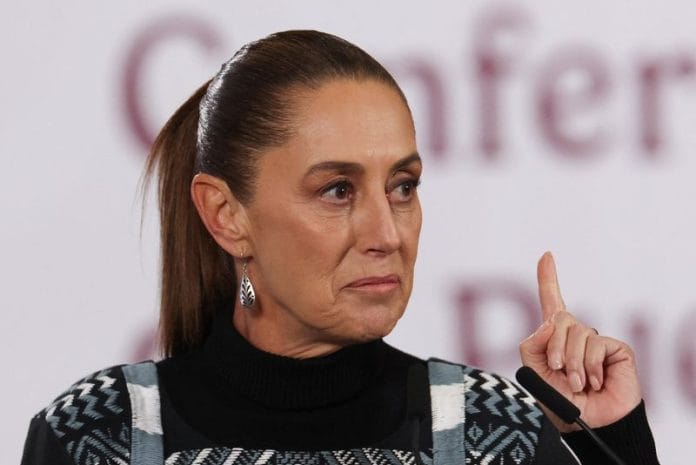
Mexico’s President Claudia Sheinbaum confirmed her government had canceled oil shipments to Cuba. She described the decision as a sovereign one, emphasizing that it was not taken due to U.S. pressure and pointing to the state company Pemex as making its own operational choices.
Even without a formal U.S. blockade, the loss of shipments from a regional partner can have a rapid impact on Cuba’s short-term fuel balance. It can also create a perception of growing international isolation—an effect Washington often seeks, but that can also complicate diplomacy in the region.
What to watch next
- Whether U.S. officials formally announce new sanctions or enforcement measures aimed at oil deliveries to Cuba.
- How Mexico and other potential suppliers respond, and whether alternative cargo routes emerge.
- Signs of intensified fuel rationing inside Cuba, including disruptions to electricity generation and transport.
- Regional diplomatic fallout, especially if U.S. actions are viewed as secondary sanctions affecting third countries.
For now, the immediate headlines center on Trump’s renewed threats, Mexico’s halted shipments, and the possibility of a much tougher U.S. line that would place energy at the heart of a new confrontation with Havana.