Analysis: Satellite imagery suggests a fast, targeted U.S. operation in Caracas to seize Venezuela’s leader
A Washington think tank reviewed satellite imagery and emerging details about a January 2026 U.S. special-operations mission in Venezuela, describing evidence consistent with a rapid, focused strike rather than a broad bombing campaign.
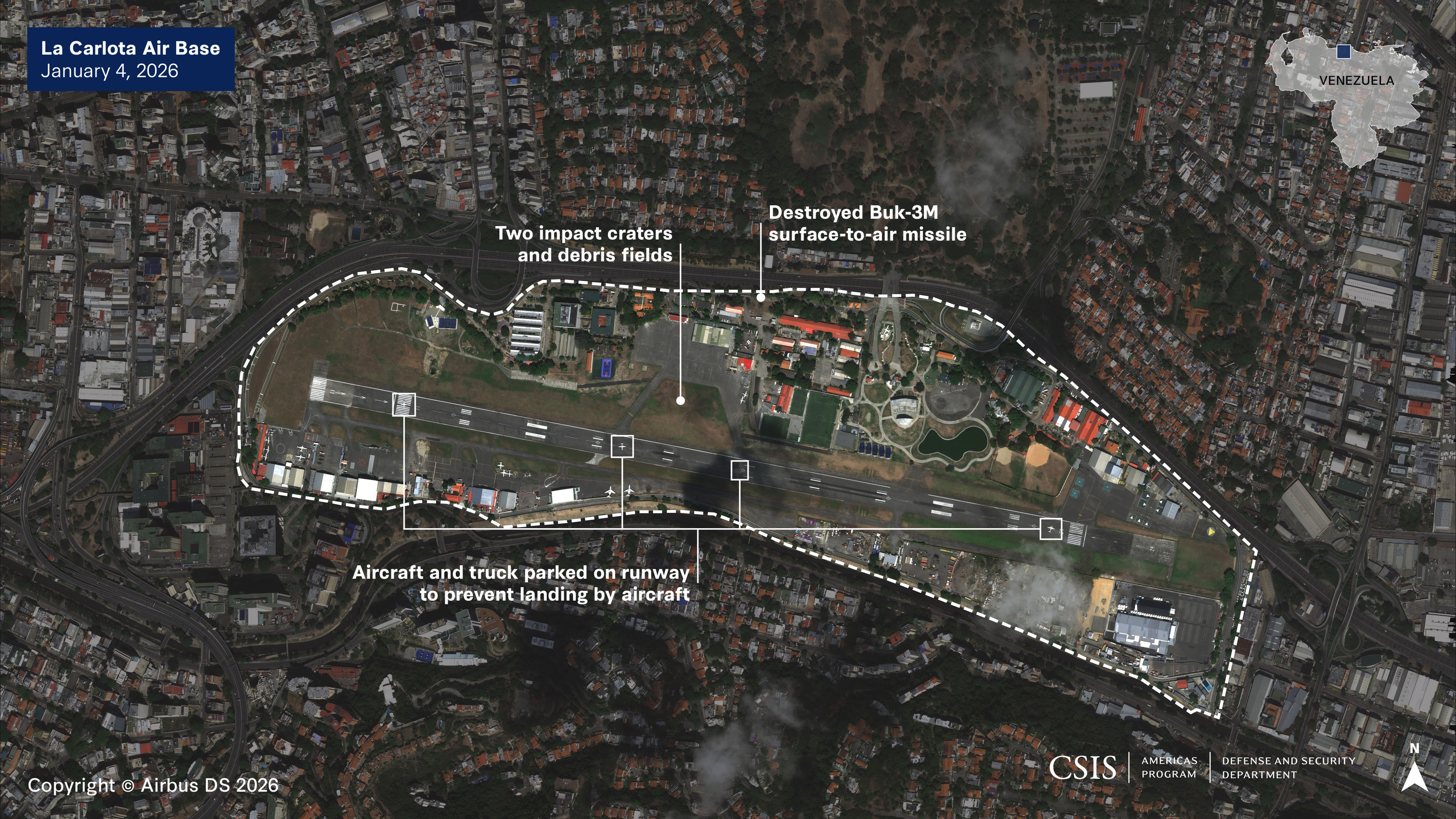
What the imagery review says
New analysis based on satellite imagery and publicly available reporting describes a U.S. special-operations mission in Caracas that appears designed for speed and precision. The review argues that visible damage patterns and the reported sequence of events align more closely with a tightly scoped plan aimed at degrading specific defenses and enabling a raid, rather than a sweeping air campaign.
The assessment focuses on what can be inferred from commercial imagery and after-action details that have emerged since the operation. It emphasizes that, from an operational standpoint, the apparent priority was to control key nodes—air defenses, access routes, and strategic facilities—long enough to execute an extraction and then disengage.
Why the mission matters beyond Venezuela
The described operation has implications beyond Venezuela’s borders because it underscores how modern interventions may blend intelligence collection, cyber capabilities, and special forces to accomplish political objectives quickly. Even if the kinetic footprint is limited, such missions can trigger long-term diplomatic fallout, regional instability, and retaliation risks.
For neighboring countries, the precedent is sensitive: a cross-border capture operation raises questions about sovereignty, legal justification, and the likelihood of copycat behavior by other powers. It also puts pressure on international institutions that often respond more slowly than fast-moving military events.
What to watch next
- Whether additional independent imagery analysis corroborates damage estimates at key sites.
- How Venezuela’s security apparatus reorganizes after the reported breach.
- Regional diplomatic reactions, including any new sanctions, border measures, or emergency summits.
- Legal disputes over detention, jurisdiction, and the handling of captured officials.
While imagery can show physical effects, it cannot fully resolve questions of intent, legality, or the full sequence of actions on the ground. Those answers will depend on official disclosures, court proceedings, and investigative reporting that may take weeks or months to clarify.