Kosovo detains over 100 people in investigation into alleged ballot manipulation in Prizren
Kosovo authorities announced the detention of 109 people on suspicion of electoral fraud linked to the December 2025 parliamentary election, focusing on alleged ballot manipulation in Prizren. The case underscores persistent concerns about election integrity and political pressure in the region.
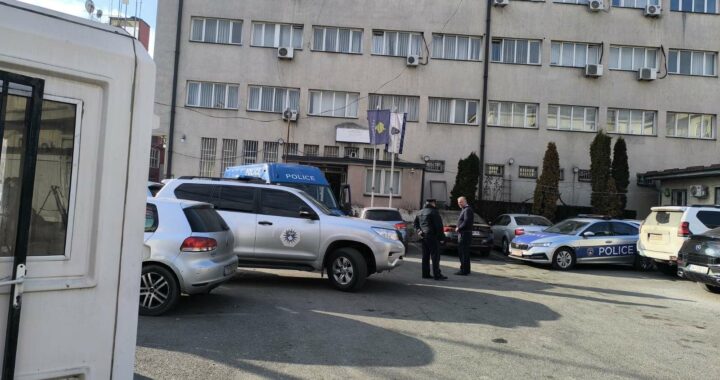
Kosovo authorities have announced the detention of 109 people suspected of involvement in electoral fraud, in an investigation centered on alleged ballot manipulation in the city of Prizren during the country’s December 2025 parliamentary election. The detentions mark one of the largest publicized enforcement actions tied to election-related allegations in Kosovo in recent years and have immediately prompted renewed scrutiny of how votes are handled at the local level.
Officials said the probe focuses on irregularities connected to the vote count and the handling of ballots, with investigators examining whether organized groups worked to influence the outcome through manipulation of election materials. While Kosovo has held multiple elections since declaring independence, political tensions and accusations of unfair practices have remained a recurring challenge, particularly in close contests where small margins can affect coalition formation.
The detentions in Prizren carry added weight because of the city’s size and political relevance in Kosovo’s southwest. Local elections officials and political parties are expected to face pressure to explain what safeguards were in place, how ballots were secured, and what monitoring systems failed to prevent—or detect—alleged wrongdoing at earlier stages of the process.
Authorities have not publicly laid out the full case against each detainee, and suspects retain the right to defend themselves as the investigation proceeds. Nonetheless, the sweep signals an attempt by law enforcement to demonstrate seriousness in confronting election fraud claims, particularly at a moment when public trust can be fragile and political rhetoric is often sharp.
Election-integrity disputes in Kosovo also resonate beyond its borders, as the country continues to navigate sensitive relations with Serbia and seeks closer ties with European institutions. International partners frequently emphasize credible elections as a cornerstone of democratic legitimacy, and large investigations can either reassure the public that violations are punished or deepen cynicism if they are perceived as politicized.
In practical terms, the inquiry could lead to prosecutions, administrative reforms, and tighter election-day procedures—especially around ballot transport, chain-of-custody documentation, and oversight of counting centers. It may also spur calls for expanded observer missions and improved training for local election workers, aiming to reduce vulnerabilities that can be exploited.
For now, Kosovo’s government and election institutions face a dual challenge: ensuring due process for those detained while also convincing voters that the system can accurately reflect the will of the electorate. The coming weeks will likely determine whether the Prizren detentions become a turning point for enforcement and reform, or another episode in a longer-running struggle over credibility and confidence in elections.