Netanyahu rejects request for Israel’s president to attend Trump “Board of Peace” launch at Davos
Israeli Prime Minister Benjamin Netanyahu declined a White House request that Israeli President Isaac Herzog attend the launch ceremony for President Donald Trump’s Gaza “Board of Peace” at Davos, signaling friction even as ceasefire implementation efforts continue.
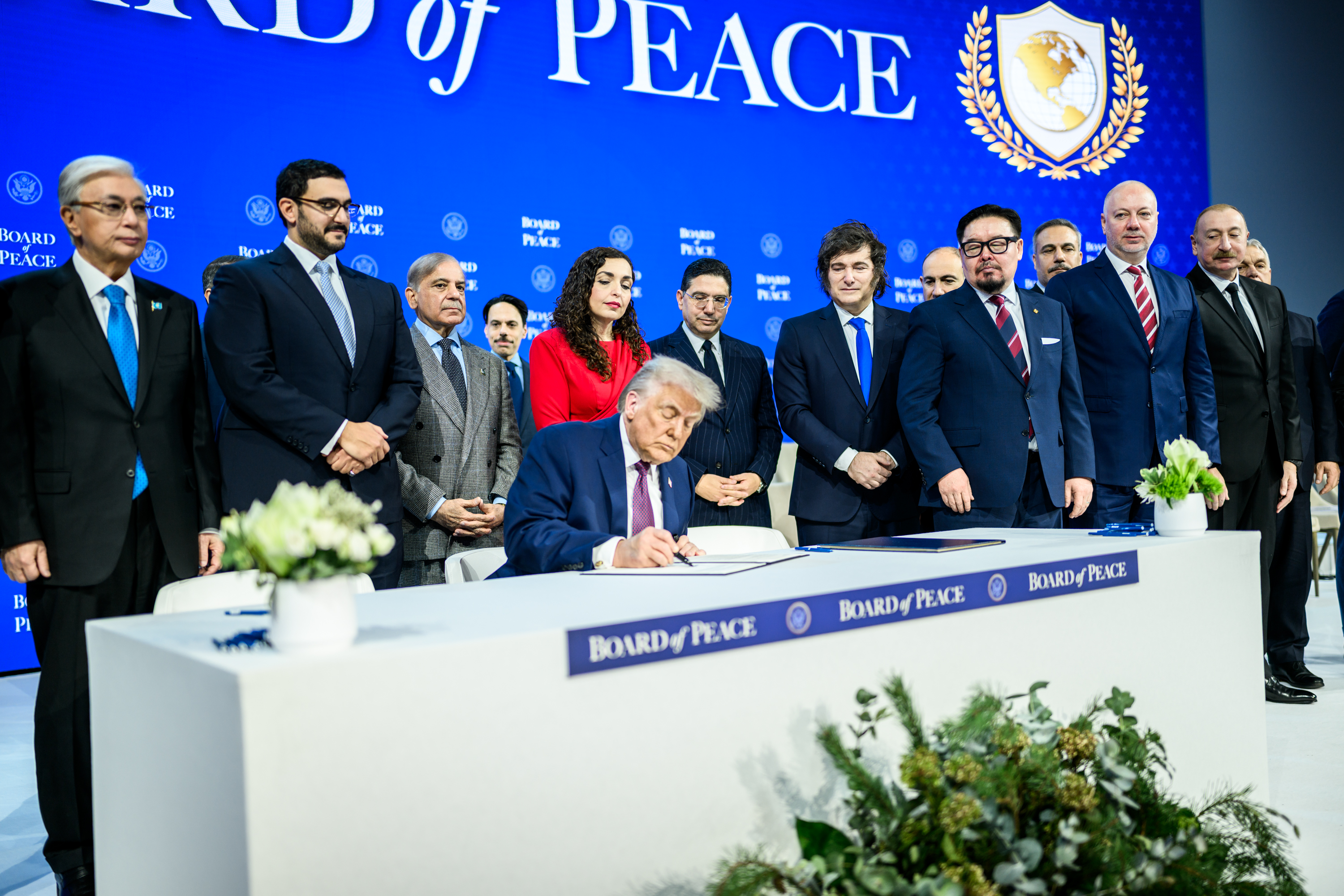
Israeli Prime Minister Benjamin Netanyahu has rejected a request from the White House to allow Israeli President Isaac Herzog to participate in the launch ceremony for President Donald Trump’s new Gaza “Board of Peace,” an initiative the administration is positioning as a centerpiece of its diplomatic push tied to the next phase of the ceasefire framework.
The ceremony is set to take place in Davos, Switzerland, during the annual World Economic Forum period, and U.S. officials have framed it as a high-visibility milestone meant to rally international backing for follow-on steps in the deal. According to reporting, invitations were extended broadly, including to dozens of governments, but the request for Herzog’s attendance became a specific point of engagement between U.S. officials and Netanyahu’s team.
Despite multiple conversations, Netanyahu ultimately said no. The White House, however, chose not to escalate the disagreement publicly, reflecting the delicate balance the U.S. is trying to maintain: keeping momentum on ceasefire implementation while managing political sensitivities inside Israel, where questions about representation, authority and messaging can quickly become contentious.
Officials from Netanyahu’s office, Herzog’s office and the White House did not offer public comment in the reporting. That silence leaves open a range of interpretations: whether the decision was driven by domestic coalition politics, concerns about optics, or a desire to keep diplomatic channels tightly controlled through the prime minister’s office.
The dispute also underscores that even when Washington and Jerusalem share a stated goal—preventing a collapse of the ceasefire and shaping Gaza’s postwar trajectory—there can be sharp disagreements about process, symbolism and who should be seen as speaking for Israel on the world stage.
For U.S. planners, the broader challenge is sustaining an international coalition that can credibly support reconstruction, governance arrangements and security mechanisms while also navigating regional flashpoints and the ongoing risk of renewed violence. The “Board of Peace” is being marketed as a tool to help coordinate those efforts, but early friction around attendance highlights how quickly procedural disputes can become diplomatic signals.
In the days ahead, attention is likely to focus on whether Israel sends alternative representation, how other invited countries respond, and whether the initiative can translate ceremony into enforceable steps that keep the ceasefire from unraveling under political and security pressure.