Russia strikes Kyiv and Kharkiv during U.S.-led peace talks, hitting power and civilian sites
Ukraine said a large drone-and-missile barrage wounded civilians and damaged critical infrastructure as negotiators met in Abu Dhabi. The attack knocked out power for hundreds of thousands and underscored the fragility of diplomacy amid ongoing battlefield pressure.
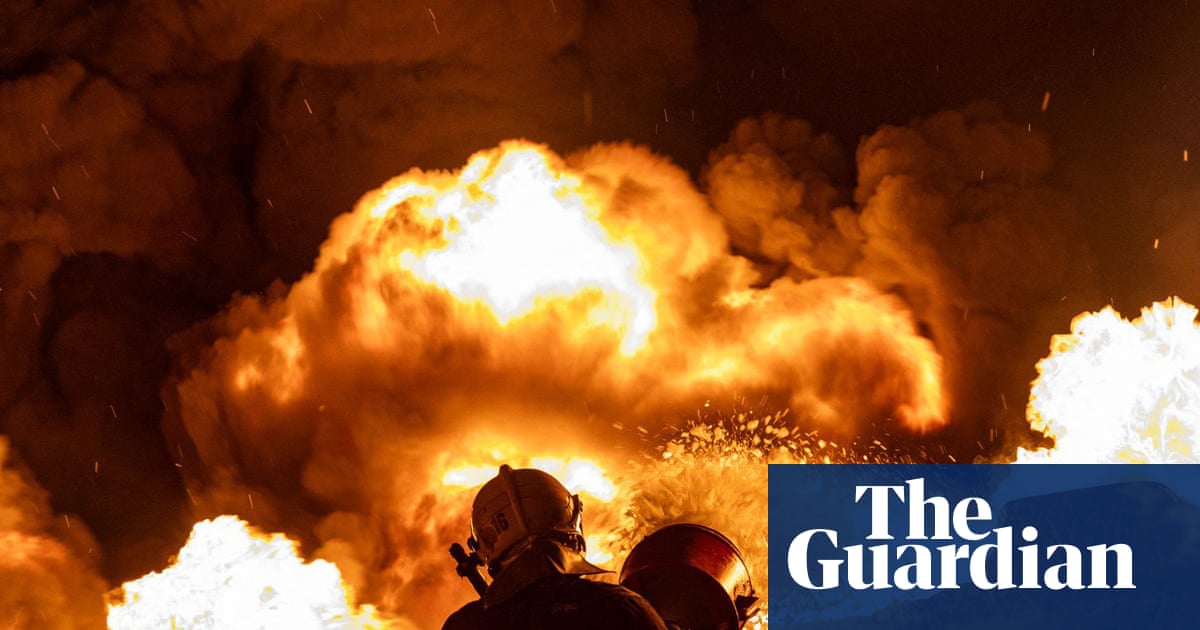
A major Russian drone-and-missile assault hit Ukraine’s largest cities as peace negotiations continued, Ukrainian officials said, underscoring the persistent gap between diplomatic activity and the reality of ongoing strikes. The barrage targeted Kyiv and Kharkiv and was reported to have wounded civilians, damaged residential buildings, and disrupted essential services. The timing—overlapping with U.S.-led tripartite talks—prompted Ukrainian leaders to accuse Moscow of trying to derail or intimidate the negotiation process.
Ukrainian authorities described widespread damage to energy infrastructure, with large-scale outages reported during freezing temperatures. Power disruptions complicate basic services and emergency response, particularly in winter conditions when heating systems and transportation depend on stable electricity. Local officials said parts of the capital saw significant interruptions, while Kharkiv—frequently targeted due to its proximity to the front—reported multiple impacts across civilian areas.
Kharkiv officials said several drones struck near facilities serving displaced residents and medical services, heightening concern over attacks in densely populated neighborhoods. Damage assessments were still being compiled as emergency crews worked to secure sites, treat the injured, and restore power. Ukrainian leaders reiterated that civilian infrastructure should not be a bargaining chip and argued that sustained air assaults weaken trust needed for any ceasefire framework.
Despite the violence, negotiators continued discussions. Ukrainian officials said talks were constructive, though they cautioned that substantive progress would require verifiable steps to reduce attacks and clarify contested territorial issues. The fate of eastern regions remains a central dispute, and Ukrainian officials have repeatedly said that any settlement must include security guarantees robust enough to prevent renewed aggression.
Analysts note that large-scale strikes during talks can serve multiple objectives: applying pressure on Kyiv, signaling resolve to domestic audiences, and testing international response. For Ukraine, the immediate priority is keeping critical services functioning while maintaining diplomatic engagement. For mediators, the challenge is sustaining a negotiating channel while the war’s tempo continues to produce civilian harm and infrastructure losses.
Further talks are expected, but both sides face skepticism about Moscow’s willingness to compromise while attacks continue. Ukrainian officials have emphasized that diplomacy must be paired with tangible changes on the ground—especially reductions in strikes on cities and energy networks—if any agreement is to be credible and durable.