Trump’s Greenland pressure campaign strains alliances and complicates support for Gaza oversight plan
U.S. efforts to expand a Gaza ceasefire oversight initiative face skepticism from European partners as Trump’s Greenland rhetoric and tariff threats intensify diplomatic friction and raise doubts about Washington’s priorities.
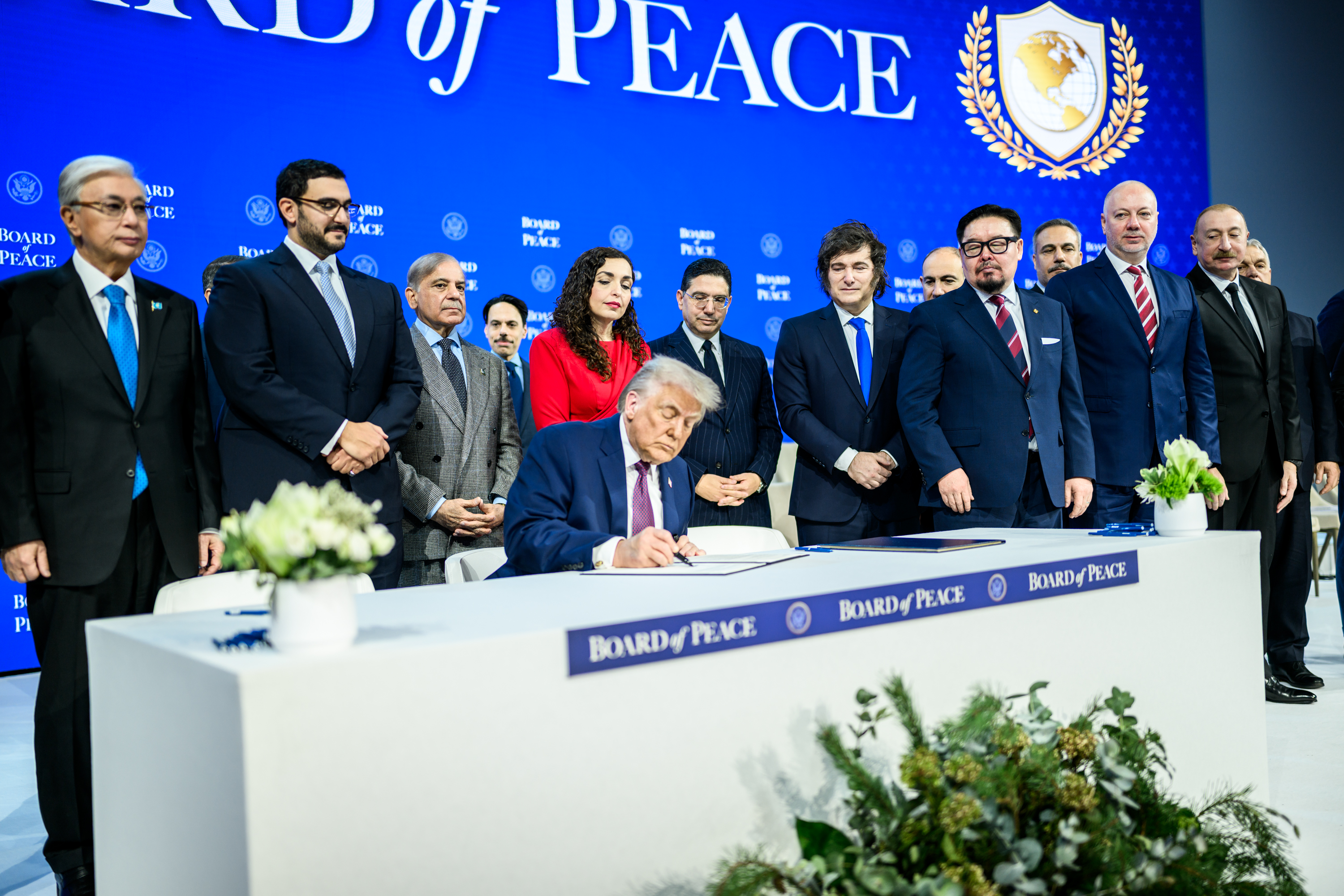
A peace plan collides with alliance politics
Global diplomacy around the Gaza ceasefire process is being complicated by a separate, escalating dispute between Washington and European allies over Greenland. The tension has become more than rhetorical: it is influencing participation in a U.S.-backed “Board of Peace” concept meant to oversee Gaza’s postwar future, and it is reshaping how allies assess U.S. leadership and reliability at a moment when coordination is required.
According to reporting this week, the Board of Peace idea had been positioned as a high-profile initiative timed around the World Economic Forum in Davos. But President Donald Trump’s confrontational posture—paired with public threats connected to Greenland and tariff pressure against European countries—has made key partners wary. Officials and analysts described concerns that the United States is simultaneously asking for cooperation on a delicate Middle East process while undermining goodwill with Europe on an unrelated territorial dispute.
The diplomatic math is harsh: a Gaza oversight mechanism needs broad legitimacy, especially from allies that can provide funding, reconstruction capacity, security guarantees, and political cover. Yet multiple European governments have reportedly been noncommittal or resistant, in part because of uncertainty about the Board of Peace’s mandate and composition. Some are also uneasy about the notion that it could evolve into a parallel structure competing with the United Nations.
European doubts have been sharpened by Trump’s public comments on Greenland and his willingness to tie trade threats to alliance disagreements. Even if the Gaza initiative has its own merits, allies are calculating the reputational and political costs of signing onto a U.S.-led project while being publicly pressured on a separate issue central to European sovereignty and NATO cohesion.
The result is a world story that connects regions: Gaza governance is being influenced by North Atlantic alliance politics, and European participation is being weighed against the credibility of U.S. commitments. The next steps will likely hinge on whether the White House moderates its approach toward Europe and clarifies the governance details of its Gaza plan enough to reassure skeptical capitals.