Trump’s Greenland push strains ties with Europe’s far-right allies
Europe’s nationalist right—often friendly to Trump’s politics—has criticized his pressure campaign over Greenland, exposing fractures inside the trans-Atlantic populist alliance. The dispute is also feeding debates inside the EU over sovereignty, trade and how closely to align with Washington.
Tensions around President Donald Trump’s bid to assert control over Greenland are reverberating far beyond the U.S.-Denmark relationship, creating new friction between Trump’s MAGA movement and a number of Europe’s far-right parties that previously praised his rise. The dispute has highlighted a line that European nationalists are reluctant to cross: support for foreign intervention that appears to threaten another country’s sovereignty.
According to reporting from Brussels, leaders and lawmakers linked to nationalist parties in France, Germany and Italy have openly criticized Trump’s Greenland stance. Even Nigel Farage, a longtime political ally in the U.K., described the approach as hostile. The backlash undercuts the assumption that shared views on immigration and culture-war politics automatically translate into alignment on foreign policy.
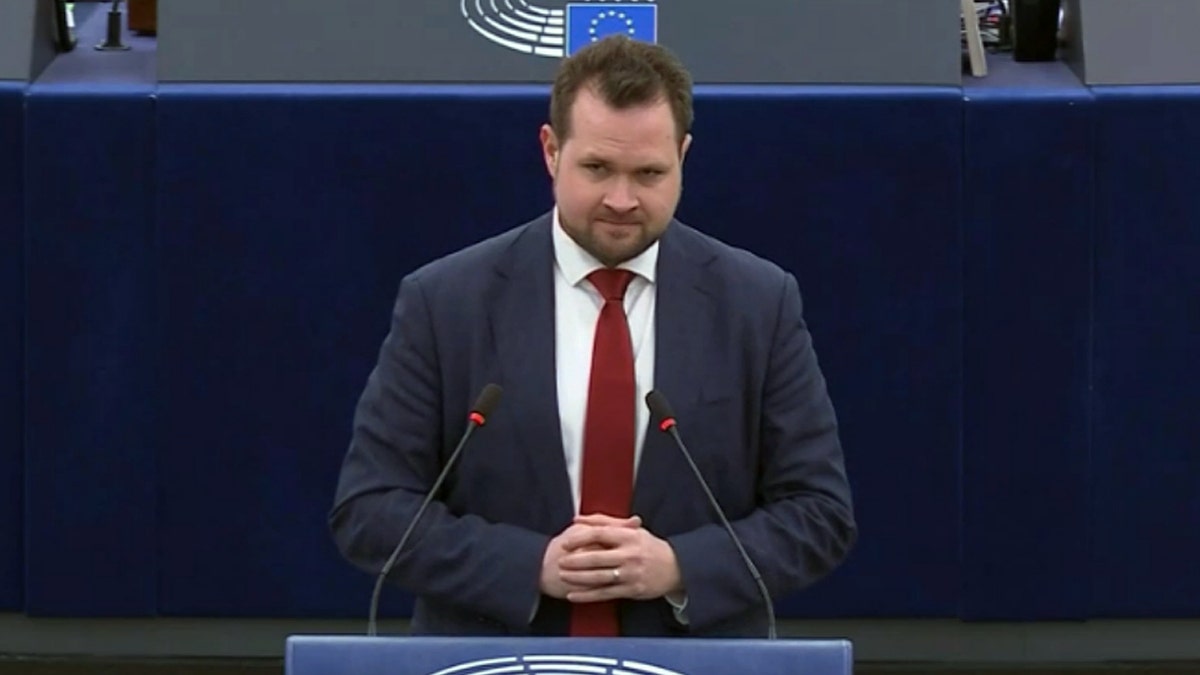
The episode has also spilled into European Union institutions. In the European Parliament, far-right lawmakers who often echo Trump’s rhetoric supported efforts to halt or challenge an EU-U.S. trade pact, arguing that tariff threats and coercive language over Greenland run counter to the sovereignty-first message these parties campaign on at home.
Not all of Europe’s nationalist leaders have responded the same way. Some on the EU’s eastern flank have been more cautious, urging diplomacy and resisting direct confrontation with Washington. That variation suggests that domestic political calculations—elections, coalition pressures, and reliance on U.S. security guarantees—still shape how far politicians are willing to go in criticizing Trump.
The deeper impact may be strategic: the rift adds to European debates about building more independent defense and economic capacity, especially if U.S. policy becomes more unpredictable. It also complicates attempts to frame a unified European right-wing movement, because the Greenland dispute forces parties to choose between ideological kinship and national interest.
Whether the split is lasting remains unclear. But the Greenland fight has already provided a real-world test of the MAGA–European far-right relationship, showing that cooperation can unravel quickly when sovereignty, borders and trade leverage cut in different directions across the Atlantic.