U.K. police arrest dozens at London jail protest calling for release of Palestine Action prisoners
British authorities arrested at least 86 protesters outside a London jail during a demonstration focused on the release of Palestine Action prisoners and a renewed hunger strike by a 22-year-old activist, amid intensified debate over the group’s banning under U.K. terrorism legislation.
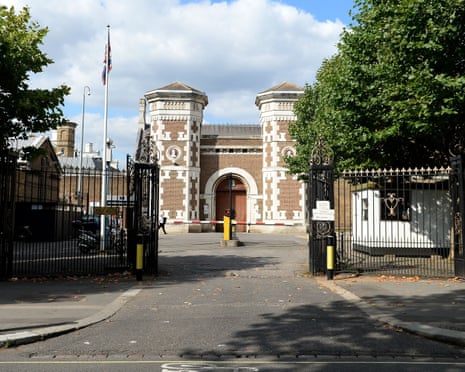
LONDON — British police arrested at least 86 protesters outside a West London jail during a demonstration calling for the release of activists linked to Palestine Action, a group the U.K. government has banned under terrorism legislation. The protest took place at Wormwood Scrubs and drew attention to detainees awaiting trial as well as to broader complaints about how the ban is being used to prosecute political activism.
The gathering also focused on 22-year-old Muhammad Umer Khalid, described by organizers as a political prisoner who recently restarted a hunger strike after pausing it in December due to severe health complications. Supporters said the hunger strike has become a rallying point for campaigners who argue that the government is criminalizing protest tactics and political association.
Videos shared on social platforms showed police pushing some protesters to the ground and restraining demonstrators. Organizers said the show of force reflected a pattern of aggressive policing since the ban, while authorities defended the arrests as necessary to maintain public order and enforce restrictions tied to the group’s designation.
At least eight activists remained jailed as they awaited trial on charges connected to their advocacy. Supporters said multiple detainees previously engaged in a prolonged hunger strike that lasted more than a month, highlighting what they called deteriorating conditions and political pressure inside the detention system.
The case is reverberating beyond Britain, with human-rights advocates warning that expanding terrorism frameworks to cover protest movements could set precedents for other democracies. Critics argue that the legal tools designed to address violent threats are being widened to include property damage and nonviolent disruption, blurring long-standing distinctions in British law.
Government supporters counter that the ban is a response to repeated incidents linked to the group and that enforcement is aimed at preventing intimidation and disruption. They contend that protest rights remain protected, but that participation in a banned organization carries consequences under the Terrorism Act.
For now, the episode underscores a broader global strain: governments tightening public-order and national-security laws while activists test the limits of civil disobedience. The next legal steps in the detained activists’ cases — including bail decisions and trial dates — are expected to shape the scope of future protests and the political backlash surrounding the ban.